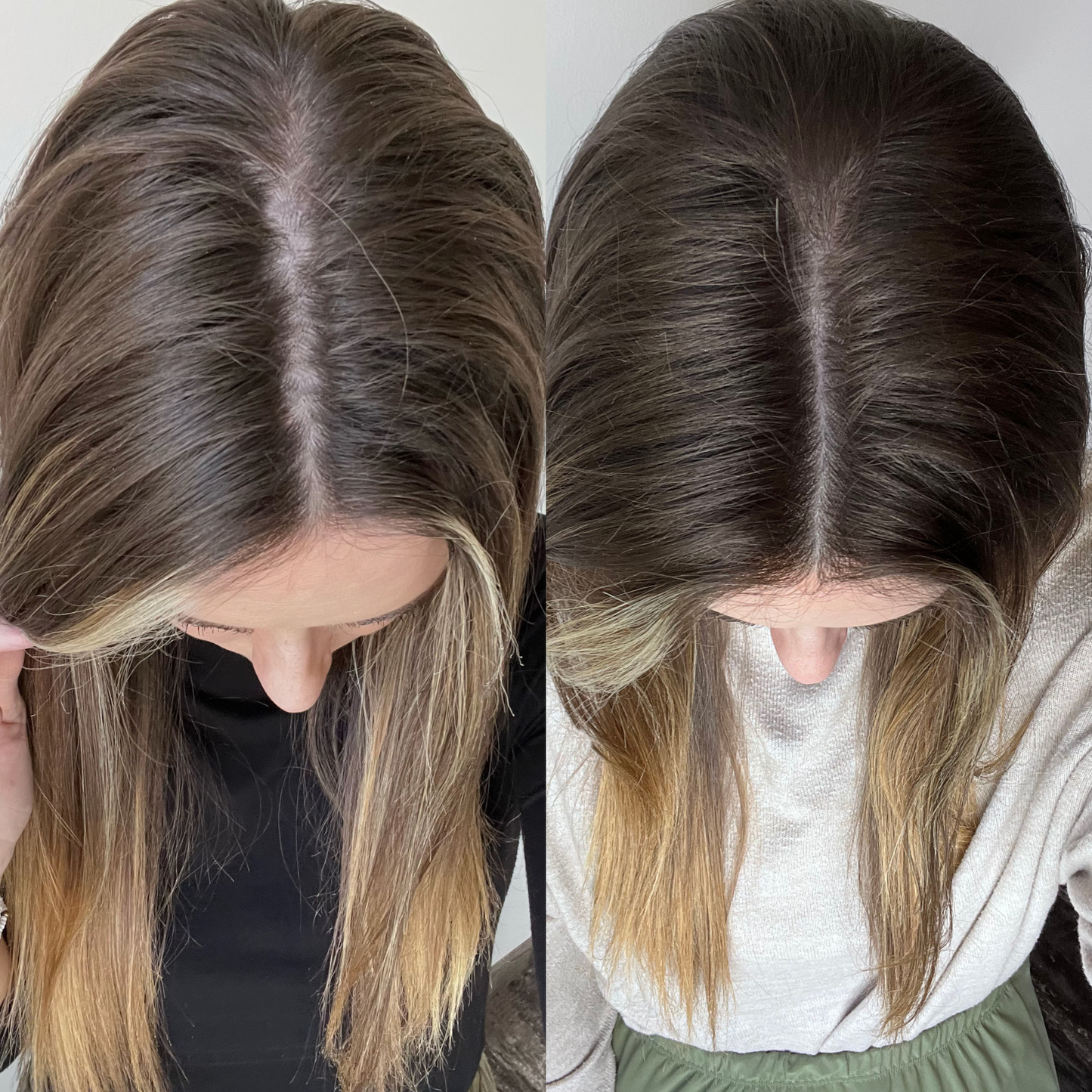
Scalp Microbiome and Hair Health: What Every Woman Should Know


Your scalp microbiome — the living ecosystem of micro-organisms on your scalp's skin — has a more direct influence on hair health than most women realise. When that ecosystem falls out of balance, the consequences range from persistent dandruff and an itchy scalp to sluggish hair growth and increased shedding. Understanding what disrupts it, and what restores it, is the foundation of a genuinely effective UK scalp routine.
In This Article
What Is the Scalp Microbiome?
The word "microbiome" describes the community of micro-organisms — bacteria, fungi, and other tiny life forms — that inhabit a specific environment. When we talk about the scalp microbiome, we mean the millions of organisms living on the skin of your head, particularly around and within the hair follicles.
Far from being something to scrub away entirely, many of these micro-organisms are genuinely useful. Certain bacteria help regulate the scalp's natural pH, which sits in a mildly acidic range (typically between roughly 4.5 and 5.5 in a healthy state). This acidity discourages the overgrowth of more aggressive organisms and supports the integrity of the skin barrier. Meanwhile, fungi such as Malassezia species are naturally present on virtually every adult scalp — the problem arises only when they proliferate excessively, which can trigger inflammation and excess flaking.
The scalp is one of the most sebum-rich environments on the human body, making it a particularly active microbial habitat. Sebum (natural scalp oil) provides both nourishment and a growth medium, which is why the balance between sebum production and microbial activity is so consequential for hair health. When that balance is maintained, the follicle environment tends to be calm and receptive to normal growth cycles. When it tips toward dysbiosis — the scientific term for microbial imbalance — inflammation around the follicle can become a chronic low-level problem that gradually compromises hair quality and density.
Signs Your Scalp Microbiome Is Out of Balance
Microbial imbalance on the scalp rarely announces itself clearly. Instead, it tends to manifest through a cluster of familiar but frustrating symptoms that many women attribute to their shampoo, their water, or simply bad luck. Knowing the signs can help you address the root cause rather than chasing surface-level fixes.
| Symptom | Possible Microbiome Link | What It Suggests |
|---|---|---|
| Persistent dandruff or flaking | Overgrowth of Malassezia fungi | Elevated sebum feeding fungal proliferation |
| Itchy, reactive scalp | Low microbial diversity, weakened barrier | Loss of protective bacterial strains |
| Oily roots, dry ends | Sebum dysregulation often linked to microbial imbalance | Disrupted feedback between sebaceous glands and skin flora |
| Build-up that returns quickly | Overactive bacterial activity near follicles | Dead skin and sebum accumulating faster than usual |
| Increased shedding without obvious cause | Chronic low-grade follicular inflammation | Microbiome imbalance contributing to a shortened anagen phase |
| Hair that smells faster than expected | Volatile compounds produced by certain bacteria and fungi | Higher-than-normal microbial metabolic activity |
It is worth noting that these symptoms can overlap with other issues — hormonal shifts, nutritional deficiencies, or hard water damage — so a single symptom rarely points conclusively to one cause. That said, if you are ticking several of these boxes simultaneously, the scalp microbiome is an intelligent place to start. You might also find it useful to read our guide on female hair loss: causes, treatments, and what actually works for a broader perspective.
What Disrupts the Scalp Microbiome in Everyday Life
The frustrating reality is that many ordinary habits quietly disrupt the scalp's microbial ecosystem without us realising it. Identifying the culprits in your own routine is one of the most actionable things you can do.
Harsh cleansing ingredients
Shampoos formulated with strong sulphates (such as sodium lauryl sulphate) can strip not only excess sebum but also the protective lipid layer that beneficial micro-organisms depend upon. After a particularly aggressive wash, the scalp can swing from balanced to defensively overproducing oil — a rebound cycle that many women know well. Opting for gentler surfactants, particularly if you wash frequently, helps preserve the microbial habitat rather than periodically scorching it.
Over- or under-washing
Both extremes create problems. Washing too infrequently allows sebum, dead skin cells, and product residue to accumulate — an environment that certain fungi and bacteria exploit. Washing too frequently removes the sebum that beneficial organisms need to thrive, and can raise scalp pH by repeated exposure to alkaline water. Most women find a rhythm of every two to three days works well, though this varies considerably by hair type, lifestyle, and scalp behaviour.
Hard water
A large proportion of UK homes — particularly in London, the South East, and the East Midlands — receive hard water, which is high in dissolved calcium and magnesium minerals. These minerals deposit on the scalp surface, can disrupt pH, and leave a residue that irritates skin and alters the microbial environment. Our article on hard water and hair quality in the UK explores this in detail and is well worth a read alongside this one.
Stress and hormonal fluctuations
The skin's microbiome responds to systemic changes in the body. Elevated cortisol (the stress hormone) influences sebum production and can compromise the skin barrier, making the scalp more vulnerable to microbial imbalance. Hormonal shifts — particularly during perimenopause and menopause — alter the sebaceous glands and can change the scalp's microbial composition meaningfully. Diet, sleep quality, and antibiotic use also play significant roles in shaping which organisms thrive.

How to Restore and Maintain Microbial Balance
Restoring balance to the scalp microbiome is not about eliminating micro-organisms — it is about creating the right conditions for a diverse, stable community to re-establish itself. Think of it less like disinfecting and more like tending a garden.
Reassess your product choices
Look for shampoos and scalp treatments with a pH that respects the scalp's natural acidity (products in the 4.5–5.5 range, or at least labelled as "pH-balanced"). Avoid formulations heavy in silicones if you notice rapid build-up, as these can occlude follicle openings and create anaerobic pockets where less desirable bacteria flourish. Fragrance-free or low-fragrance options are worth considering for reactive scalps, as synthetic fragrances can act as irritants that further compromise the barrier.
Support from the inside
The skin microbiome does not exist in isolation from the rest of the body. A diet rich in colourful vegetables, whole grains, and fermented foods provides the diverse substrates that beneficial organisms across the body — including the skin — tend to thrive on. Key nutrients like zinc, biotin, and vitamins D and E support the structural integrity of the skin barrier, which in turn protects microbial diversity. Lumeyr Women is formulated specifically to address the nutritional gaps most relevant to women's hair health, including scalp and follicle function.
Reduce inflammatory triggers
Chronic low-grade scalp inflammation is both a consequence and a driver of microbial imbalance. Minimising the triggers that provoke inflammation — including harsh heat styling directly on the scalp, tight hairstyles worn daily, and UV exposure without protection — gives the microbiome space to recover. Where hard water is a factor, using The Lumeyr Filtered Showerhead™ to reduce mineral exposure at the source is one of the most direct practical interventions available.
The Role of Exfoliation in a Healthy Scalp Ecosystem
Physical scalp exfoliation is, when done correctly, one of the most impactful things you can do to support a balanced microbiome. Here is why: dead skin cells and product residue that accumulate between washes create exactly the kind of anaerobic, sebum-rich environment where certain fungi and bacteria proliferate unchecked. Removing that layer regularly resets the surface and allows the beneficial organisms — which tend to prefer a clean, well-oxygenated environment — to maintain their foothold.
The key word is "correctly." Aggressive daily scrubbing with coarse particles can micro-damage the skin barrier and paradoxically worsen dysbiosis. Effective scalp exfoliation should feel like a thorough but gentle reset, not a punishment. Once a week is the sweet spot for most scalp types, applied to damp hair before shampoo so the exfoliant can move freely across the scalp surface without snagging on dry strands.
The Revive + Restore Scalp Scrub from Lumeyr is designed with exactly this balance in mind — effectively clearing the follicle environment of build-up and dead skin while working in harmony with the scalp's natural ecosystem rather than against it. Used consistently as part of a weekly scalp routine, it helps create the clean, balanced surface that healthy hair growth genuinely requires.

Pairing exfoliation with the right follow-up
Exfoliation is most effective when it is part of a sequence rather than a standalone step. After using a scalp scrub, follow with a gentle, pH-appropriate shampoo to rinse away loosened debris, then apply conditioner from mid-lengths to ends — keeping it away from the scalp itself to avoid undoing the clearing work you have just done. If shedding is a concern alongside scalp health, our overview of female pattern hair loss treatment options offers further context on building a layered approach.
Clear the Way for Healthier Hair
The Revive + Restore Scalp Scrub gently removes build-up and dead skin to create the balanced follicle environment your hair growth deserves — without disrupting the microbiome you are working to protect.
Shop the Scalp ScrubUnderstanding your scalp microbiome is particularly important if you live in an area with hard water, as explored in our article on hard water and hair quality in the UK, which can significantly impact both your scalp health and the balance of beneficial bacteria.
Frequently Asked Questions
What is the scalp microbiome?
The scalp microbiome is the community of bacteria, fungi, and other micro-organisms that live on your scalp's skin. A diverse, balanced community supports a healthy scalp barrier, normal sebum regulation, and conditions favourable for steady hair growth.
Can an imbalanced scalp microbiome cause hair loss?
An imbalanced microbiome can contribute to chronic scalp inflammation, excess sebum build-up, and follicle congestion — all of which may interfere with the hair growth cycle over time. It is rarely the sole cause of significant hair loss, but restoring balance is an important part of a comprehensive scalp-care routine.
How often should I exfoliate my scalp?
For most women, once a week is a good starting point. If your scalp is oily or you use a lot of styling products, twice weekly may suit you better. Dry or sensitive scalps generally do well with every 10–14 days. Always listen to how your scalp responds and adjust accordingly.
Does diet affect the scalp microbiome?
Yes. Diet influences the entire body's microbial ecosystems, including the scalp. Foods high in refined sugars and ultra-processed ingredients can encourage overgrowth of certain fungi, while a varied diet rich in whole foods, fibre, and antioxidants tends to support microbial diversity and a healthier scalp environment.
Are sulphate-free shampoos better for the scalp microbiome?
Sulphate-free formulas are generally gentler and less likely to strip the scalp's natural lipid layer, which acts as a protective habitat for beneficial micro-organisms. They are worth considering if your scalp feels tight, itchy, or reactive after washing.
Can hard water disrupt the scalp microbiome?
Hard water — which affects a large proportion of UK homes — leaves mineral deposits on the scalp that can alter surface pH and contribute to irritation, dryness, and potential microbial imbalance. Filtering your shower water is one practical step to reduce this effect.
The Bottom Line
The scalp microbiome is not a niche concern reserved for dermatology clinics — it is an everyday reality that shapes how your hair looks, feels, and grows. When the ecosystem is balanced, the follicle environment is calm, sebum production is regulated, and hair can cycle through its natural growth phases without interference. When it is disrupted — by harsh products, hard water, stress, or poor washing habits — the consequences appear gradually but persistently.
The good news is that the scalp microbiome is genuinely responsive. Thoughtful product choices, consistent exfoliation with something like the Revive + Restore Scalp Scrub, internal nutritional support, and a realistic approach to the triggers in your environment are all things you can act on today. Small, consistent changes to your scalp routine tend to compound meaningfully over weeks and months — and that is exactly the kind of doable, real-life progress that is worth making.

This article follows our editorial & research standards. It is informational content, not medical advice.