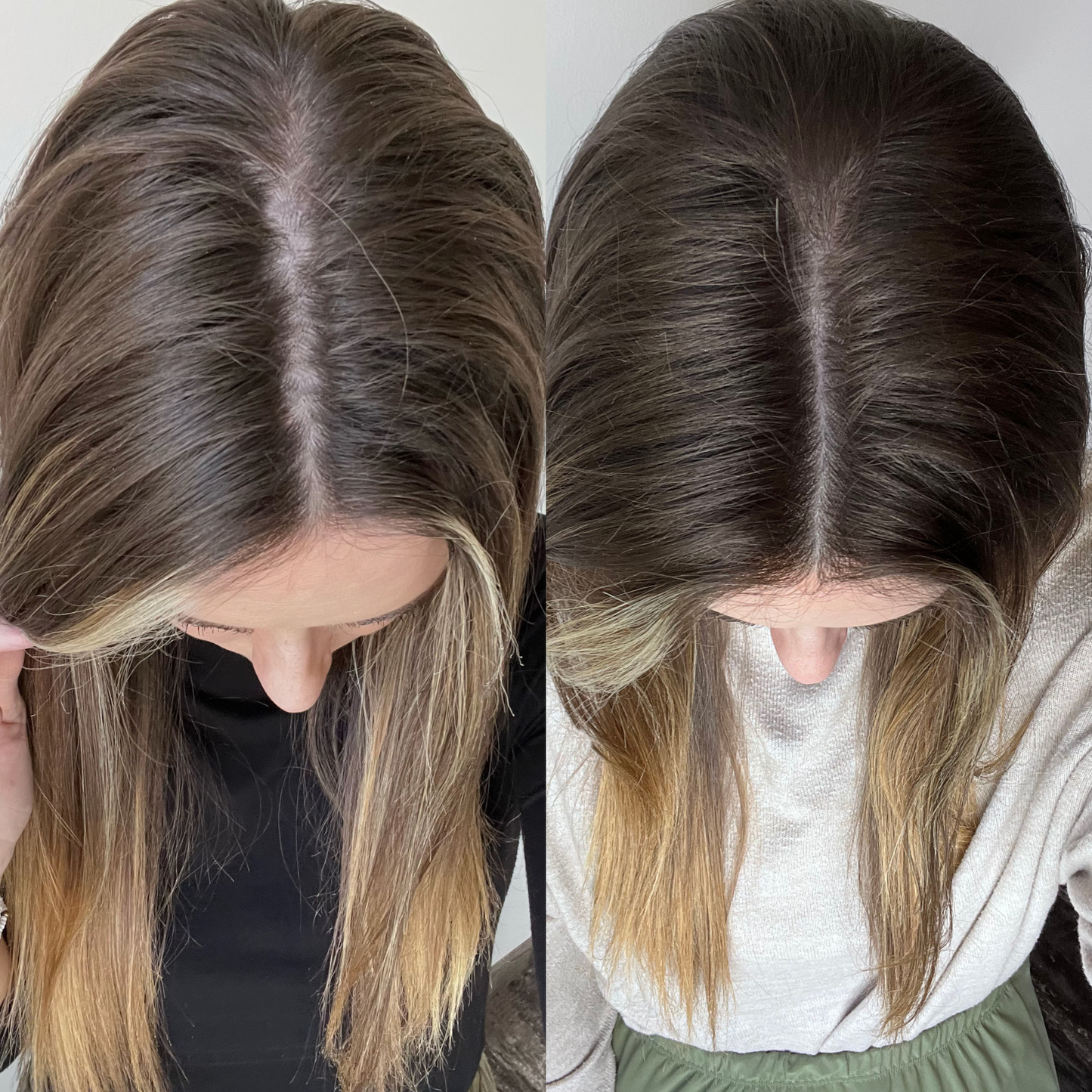
Hair Nutrition: The Complete Guide to Vitamins and Minerals


- Iron, vitamin D, zinc and biotin are the four nutrients most consistently linked to hair shedding when deficient.
- A blood test before supplementing is the most efficient first step — it tells you what (if anything) is actually low.
- Expect 8–24 weeks of consistent use before visible improvement; no supplement reverses structural damage overnight.
- Diet first, targeted supplements second — no pill outperforms a chronically poor diet.
Hair nutrition — the complete guide to vitamins and minerals — exists because the health of every strand begins not at the scalp but at your dinner table and, sometimes, your supplement shelf. This evidence-informed guide cuts through marketing noise to explain exactly which nutrients matter, why they matter, and what the research actually says about supplementing them.

How hair grows and why nutrition matters
Each hair follicle is a miniature organ that cycles through three distinct phases: the growth phase (anagen), the transitional phase (catagen), and the resting phase (telogen), before the old strand sheds and the cycle restarts. During anagen — which can last anywhere from two to seven years depending on genetics and health — the follicle matrix cells divide rapidly, making them among the most metabolically active cells in the human body. That activity demands a continuous supply of energy, amino acids, and micronutrients.
The scalp's blood supply delivers these raw materials directly to the dermal papilla at the follicle base. When any essential nutrient falls below an optimal threshold — whether through poor dietary intake, impaired absorption, or elevated demand — the follicle is one of the first tissues to be affected. Because hair growth is not life-critical, the body deprioritises it when resources are scarce. The result is accelerated shedding, reduced strand diameter, or a stalled anagen phase.
Understanding this biological priority helps explain why crash diets, restrictive eating, major surgery, and chronic illness are so commonly followed by noticeable hair loss approximately two to four months later — the lag reflecting the time it takes the follicle to respond to the internal environment. It also explains why correcting a nutritional deficiency does not produce immediate results: the follicle needs to re-enter anagen, and that takes time.

The key vitamins for hair health
The B-vitamin family, along with vitamins A, C, D, and E, each interact with follicle biology through distinct mechanisms. Understanding what each one does — and crucially, at what point deficiency actually causes problems — separates useful supplementation from wishful thinking.
Biotin (Vitamin B7)
Biotin is the most heavily marketed vitamin in the hair supplement industry, and also the most misrepresented. Biotin is a co-factor for enzymes involved in keratin infrastructure, and genuine biotin deficiency does cause brittle hair and hair loss. However, true dietary deficiency is uncommon in people eating a mixed diet: eggs, nuts, wholegrains, and legumes all provide meaningful amounts. The evidence for biotin supplementation in people without a diagnosed deficiency is limited — most supportive data comes from small, uncontrolled trials or anecdotal reports rather than large randomised controlled studies. A meaningful caveat: high-dose biotin supplementation (above 5 mg/day) is known to interfere with several blood tests, including thyroid function and troponin assays used in cardiac screening. Always inform your GP.
Vitamin D
Vitamin D receptors are expressed in the dermal papilla cells and keratinocytes of the hair follicle, and research has found that these receptors — independent of circulating vitamin D levels — are necessary for normal hair cycling. Observational data consistently shows lower serum 25(OH)D concentrations in people with telogen effluvium and alopecia areata compared to controls. In the UK, the NHS advises everyone to consider a 10 microgram (400 IU) daily supplement during autumn and winter; surveys suggest approximately one in five adults in Britain has low vitamin D status year-round. For hair specifically, optimising vitamin D levels from a point of deficiency is one of the most straightforward nutritional interventions available.
Vitamin C
Vitamin C is essential for the synthesis of collagen, which forms part of the structural scaffold supporting hair follicles. Equally important is its role in enhancing non-haem iron absorption from plant-based foods: consuming vitamin C alongside iron-rich meals can increase iron uptake substantially. As an antioxidant, it also helps neutralise the oxidative stress that can impair follicle cell function. Severe deficiency (scurvy) causes hair changes, but sub-clinical low intake in people avoiding fruits and vegetables is more relevant in practice.
Vitamin A
Vitamin A plays a role in cell turnover across the scalp and influences sebum production, which keeps the scalp environment healthy. Here, however, the relationship with hair is genuinely bidirectional: both deficiency and excess are associated with hair loss. Excess retinol — the preformed vitamin A found in liver and high-dose supplements — is a recognised cause of telogen effluvium. This is particularly relevant for people taking multiple supplements simultaneously. Beta-carotene (the plant precursor) is self-regulating in conversion and far less likely to accumulate to harmful levels.
B Vitamins: Niacin, Folate, B12
Niacin (B3) supports circulation to the scalp and is involved in DNA repair within follicle cells. Folate and B12 are critical for the rapid cell division that occurs during the anagen phase; deficiencies in either — common among vegans and people with malabsorption conditions — are established causes of diffuse hair thinning. B12 deficiency is particularly prevalent in people following plant-based diets or taking long-term metformin or proton pump inhibitors, making targeted supplementation relevant for these groups.
| Vitamin | Role in hair health | Deficiency risk in UK | Upper limit concern |
|---|---|---|---|
| Biotin (B7) | Keratin co-factor; amino acid metabolism | Low (mixed diet) | Interferes with lab tests at high doses |
| Vitamin D | Follicle receptor expression; hair cycling | High — 1 in 5 UK adults | >100 µg/day toxic |
| Vitamin C | Collagen synthesis; iron absorption | Moderate (low fruit/veg intake) | Low — excess excreted |
| Vitamin A | Cell turnover; sebum regulation | Rare in UK | Excess retinol causes hair loss |
| Vitamin B12 | Cell division during anagen | Elevated in vegans, elderly | Low — water soluble |
| Folate (B9) | Rapid DNA synthesis in follicle matrix | Moderate | Can mask B12 deficiency |
| Niacin (B3) | Scalp circulation; DNA repair | Low | Flushing at high doses |
Essential minerals for strong, healthy hair
Minerals tend to receive less attention than vitamins in hair supplement marketing, yet iron and zinc are arguably the two most impactful nutritional factors in hair loss among UK women. Minerals also interact with one another in ways that make indiscriminate high-dose supplementation genuinely risky.
Iron
Iron is required for the activity of ribonucleotide reductase, an enzyme that governs the rate of cell proliferation in the follicle. Studies suggest that serum ferritin below approximately 30 ng/mL is associated with increased telogen hair shedding, even in the absence of frank anaemia. UK data indicates that iron deficiency is the most common nutritional deficiency in women of reproductive age. Dietary sources include red meat (haem iron, well absorbed), as well as lentils, spinach, and fortified cereals (non-haem iron, whose absorption is enhanced by concurrent vitamin C intake and reduced by tannins in tea and coffee).
A critical point: iron supplementation should be guided by a blood test. Supplementing iron when stores are already adequate does not benefit hair and can cause gastrointestinal side effects; in rare conditions, it can contribute to iron overload. Speak to your GP before starting iron supplements.
Zinc
Zinc is involved in the activity of over 300 enzymes, including those governing protein synthesis, cell division, and hormonal metabolism. In follicle biology, zinc plays a role in maintaining the structure of the outer root sheath and may help moderate 5-alpha reductase activity — the enzyme that converts testosterone to the more potent DHT, implicated in androgenetic alopecia. Zinc deficiency causes distinctive diffuse shedding, and several small controlled trials have observed lower serum zinc concentrations in people with telogen effluvium and alopecia areata compared to healthy controls. Oysters, beef, pumpkin seeds, and cashews are the richest dietary sources. Importantly, high-dose zinc supplementation can compete with and deplete copper — another mineral important for hair pigmentation and follicle integrity — so doses above the upper tolerable intake (25 mg/day in the UK) should be avoided without medical supervision.
Selenium
Selenium acts as an antioxidant via selenoproteins, helping protect follicle cells from oxidative damage. It is also involved in thyroid hormone metabolism — relevant because thyroid dysfunction is a common upstream cause of hair loss that is sometimes confused with a direct nutritional deficiency. The relationship between selenium and hair is dose-sensitive: both deficiency and excess (selenosis) cause hair loss and nail changes. Brazil nuts are exceptionally high in selenium — one or two per day can meet requirements — making high-dose selenium supplementation unnecessary for most people in the UK.
Copper and Silica
Copper is required for melanin synthesis (hair colour) and for cross-linking collagen and elastin in the scalp dermis. It is rarely deficient in the UK general population but can be depleted by excessive zinc supplementation. Silica, found in foods such as oats, barley, and horsetail extract, is proposed to support the mechanical strength of the hair shaft, though direct human clinical evidence for supplemental silica remains limited.
| Mineral | Hair-specific role | Best food sources | Key caution |
|---|---|---|---|
| Iron | Cell proliferation in follicle matrix | Red meat, lentils, fortified cereals | Test before supplementing |
| Zinc | Protein synthesis; potential DHT modulation | Oysters, pumpkin seeds, beef | Competes with copper above 25 mg/day |
| Selenium | Antioxidant protection; thyroid support | Brazil nuts, fish, eggs | Excess causes hair loss (selenosis) |
| Copper | Melanin production; collagen cross-linking | Shellfish, nuts, seeds | Depleted by high-dose zinc |
| Silica | Proposed shaft strength support | Oats, barley, horsetail extract | Limited clinical evidence |
If you are interested in pumpkin seed oil as a natural source of zinc and plant sterols, our dedicated guide to pumpkin seed oil for women's hair growth covers the research in detail.
Diet versus supplements: what the evidence says

The hierarchy of evidence in hair nutrition consistently places dietary adequacy at the foundation. A whole-food diet rich in lean proteins, diverse vegetables, legumes, whole grains, and healthy fats will supply the complete spectrum of micronutrients your follicles need — often in synergistic combinations and alongside phytochemicals that isolated supplements do not replicate. Protein intake deserves particular attention: hair is approximately 95% keratin, a structural protein, and inadequate dietary protein intake is a direct cause of hair loss. UK guidelines recommend 0.75 g of protein per kilogram of body weight per day for adults; active individuals and those recovering from illness may benefit from more.
Supplements become genuinely justified when a specific deficiency has been identified through blood testing, when dietary intake cannot meet requirements (such as in veganism, pregnancy, or malabsorption conditions), or when overall nutritional adequacy is compromised by chronic caloric restriction. In these scenarios, targeted supplementation addresses a real gap; without that gap, the additional nutrients are largely excreted or — in the case of fat-soluble vitamins — stored to potentially problematic levels.
That said, combination hair supplements occupying a sensible middle ground — delivering nutrients at or near the UK Reference Nutrient Intakes (RNIs) rather than at mega-doses — carry a low risk profile for most healthy adults and may fill dietary gaps that many people are unaware of. The convenience factor is also real: consistently taking a well-formulated supplement daily is more achievable for most people than overhauling an entire diet.
For a deeper look at the most common causes of female hair loss — including nutritional, hormonal, and environmental triggers — our guide to female hair loss: causes, treatments and what actually works offers a comprehensive overview.
Prefer your nutrients in a convenient daily gummy?
Lumeyr's Hair Skin Nails Gummies deliver key vitamins and minerals at evidence-aligned doses — no horse-pill swallowing required.
Shop Hair Skin Nails Gummies →Signs you may have a nutritional deficiency affecting your hair
Nutritional hair loss rarely announces itself dramatically. More commonly it appears as a gradual increase in daily shedding, reduced hair density over the crown or parting, or strands that feel finer and more fragile than before. Because multiple deficiencies can produce identical-looking symptoms, and because non-nutritional causes — androgenetic alopecia, thyroid disorders, scalp conditions — can present in the same way, self-diagnosis based on hair symptoms alone is unreliable.
There are, however, accompanying clues beyond the hair itself. Iron deficiency, even without anaemia, often presents with persistent fatigue, cold hands and feet, poor concentration, and reduced exercise tolerance. Vitamin D deficiency is associated with low mood, muscle weakness, and increased susceptibility to infections. B12 deficiency can cause tingling in the extremities, fatigue, and a sore tongue. Zinc deficiency may accompany slow wound healing, white spots on nails, and reduced sense of taste or smell. Noticing a cluster of these symptoms alongside hair changes strengthens the case for a blood test.
The most clinically useful panel for investigating nutritional hair loss typically includes: full blood count (to screen for anaemia), serum ferritin (the most sensitive iron store marker), 25-hydroxyvitamin D, thyroid function tests (TSH and free T4), zinc, B12, and folate. Some clinicians also check CRP (C-reactive protein) as a marker of inflammation that can independently drive hair shedding. Private home-testing kits from reputable providers make this increasingly accessible in the UK, though a GP referral remains the most cost-effective route for most people.

How to choose a hair supplement in the UK
The UK supplement market is not regulated to the same standard as medicines: manufacturers are not required to prove efficacy before placing a product on shelves, only to ensure safety and that no unauthorised health claims are made. This means the quality, dosing, and transparency of hair supplements varies considerably. The following framework helps separate well-formulated products from overpriced multivitamins with clever packaging.
Check the doses against reference values
Cross-reference each active ingredient against the UK Reference Nutrient Intakes (RNIs) published by the Scientific Advisory Committee on Nutrition (SACN) or the EU Nutrient Reference Values (NRVs) listed on packaging. A quality supplement should aim to provide meaningful amounts — ideally 50–100% NRV for most nutrients — without exceeding the upper tolerable intake levels set by the European Food Safety Authority (EFSA). Products listing nutrients purely as proprietary blends without per-ingredient quantities are difficult to evaluate honestly.
Look for third-party certification
Certifications from Informed Sport, NSF International, or the Soil Association (for organic products) indicate that a product has been independently tested for label accuracy and contaminants. For hair supplements specifically, the Medicines and Healthcare products Regulatory Agency (MHRA) maintains a register of licensed products; while most supplements sit outside this framework, awareness of the regulatory landscape helps consumers make informed decisions.
Assess the form of each nutrient
The chemical form of a mineral significantly affects its bioavailability. Iron as ferrous bisglycinate is better absorbed and causes fewer gastrointestinal side effects than ferrous sulphate. Zinc as zinc picolinate or zinc bisglycinate is more bioavailable than zinc oxide. Magnesium as glycinate or malate is gentler on the digestive system than magnesium oxide. Vitamin D3 (cholecalciferol) is superior to D2 (ergocalciferol) for raising serum levels. These distinctions matter when comparing products at similar price points.
Consider the delivery format honestly
Capsules and tablets can typically accommodate more precise mineral dosing; gummies face formulation constraints that sometimes limit mineral content but offer superior palatability and consistency of use. If a tastier format means you actually take it every day rather than skipping doses, that real-world compliance advantage outweighs a marginal difference in milligrams. Lumeyr's Hair Skin Nails Gummies are formulated to balance palatability with meaningful nutrient doses — see the full ingredients panel for details. For those who prefer a capsule format, the Hair Skin Nails capsules offer an alternative delivery option, while the comprehensive Lumeyr Women formula is designed specifically around the nutritional demands of women experiencing hair thinning.
For a head-to-head comparison of leading UK options for women with hair loss, our in-depth guide to the best hair loss supplements for women in 2026 evaluates formulations, doses, and real-world user feedback systematically.

Ready to support your hair from the inside out?
Explore Lumeyr's full range of hair growth supplements — formulated for real results, not just impressive packaging.
Browse Hair Growth Supplements →Limitations of the evidence: what hair nutrition supplements won't do
Intellectual honesty requires acknowledging where the evidence is strong, where it is patchy, and where supplement marketing has overreached. Here are the most important limitations to understand before spending money on hair nutrition products.
Most trials are small and short. The majority of human studies on hair supplements involve fewer than 100 participants and run for 12–24 weeks — sufficient to observe early changes in shedding counts but inadequate to confirm long-term regrowth or to rule out placebo effects, which are surprisingly potent in hair research. Larger, independently funded, multicentre trials are rare.
Multi-ingredient formulas are difficult to unpick. Many positive studies use proprietary multi-nutrient blends, making it impossible to attribute results to any single ingredient. When a product with 20 active components shows a benefit, it cannot be used as evidence that ingredient 7 specifically is doing the work. This is a legitimate limitation of most commercially funded supplement research.
Supplements cannot reverse structural hair damage. Split ends, mechanical breakage from heat styling, chemical damage from bleaching, and traction damage from tight hairstyles are physical problems that no nutritional intervention can undo. Improved nutrition supports the new hair growing from the follicle; it cannot repair the hair that already exists above the scalp.
Supplements do not address androgenetic alopecia effectively alone. Female pattern hair loss driven by genetic sensitivity to DHT requires treatments targeting the hormonal pathway — such as minoxidil, anti-androgens, or natural 5-alpha reductase modulators — not just nutritional support. Supplements may complement these approaches but should not replace them when pattern hair loss is the primary diagnosis. Our dedicated guide to female pattern hair loss treatment options covers the clinical evidence for each approach.
The underlying cause matters more than the supplement chosen. Hair loss triggered by thyroid dysfunction, scalp conditions such as seborrhoeic dermatitis or lichen planopilaris, or autoimmune alopecia areata will not substantially improve with vitamins and minerals alone. Identifying the root cause — ideally with a GP or dermatologist — is more important than optimising your supplement stack.
Frequently asked questions
Which vitamin deficiency is most commonly linked to hair loss in the UK?
Iron deficiency is the most commonly identified nutritional cause of hair shedding in UK women, followed by low vitamin D, which is widespread in Britain due to limited sunlight. A serum ferritin below 30 ng/mL is generally associated with increased hair shedding, even when full anaemia is not yet present. Vitamin D deficiency affects an estimated 1 in 5 people in the UK, making supplementation particularly relevant during autumn and winter months.
Does biotin actually make hair grow faster?
Biotin supports hair growth only if you have a genuine deficiency, which is uncommon in people eating a varied diet. Evidence for biotin supplementation in people with normal biotin levels is not robust — most positive reports come from small, uncontrolled studies or case series rather than large randomised trials. High-dose biotin can also interfere with thyroid and cardiac blood tests, so always inform your GP if you take it.
How long does it take for hair vitamins to work?
Most hair supplement studies use assessment periods of 12 to 24 weeks because the hair growth cycle (anagen phase) lasts several months. You are unlikely to notice meaningful changes before 8–12 weeks, and full results typically require consistent use for at least 4–6 months. Patience is essential: correcting a deficiency stops the trigger for shedding, but the follicle still needs time to re-enter active growth.
Can you take too many hair vitamins?
Yes — fat-soluble vitamins (A, D, E, K) accumulate in the body and can reach toxic levels if over-supplemented, whereas water-soluble vitamins are excreted more readily but can still cause issues at very high doses. Excess vitamin A is itself a recognised cause of hair loss, and very high-dose zinc can suppress copper absorption. Always follow product directions and consult a GP or registered dietitian before stacking multiple supplements.
Is vitamin D important for hair health?
Vitamin D receptors are present in the dermal papilla cells of hair follicles, and several observational studies have found lower serum vitamin D levels in people experiencing diffuse hair shedding and alopecia areata. While supplementation trials in the general population are limited, correcting a deficiency — particularly relevant in the UK given low sunlight — is considered a sensible first step. The NHS recommends 10 micrograms (400 IU) daily for adults throughout autumn and winter.
What is the best food source of each key hair nutrient?
Iron is found in red meat, lentils, and fortified cereals; vitamin D in oily fish (salmon, mackerel) and eggs; zinc in shellfish, pumpkin seeds, and beef; biotin in eggs, nuts, and whole grains; omega-3 fatty acids in oily fish and walnuts. A varied, whole-food diet covering these categories will meet the needs of most people without supplementation. Supplementation becomes relevant when dietary intake is consistently low or absorption is impaired.
Should I get a blood test before taking hair supplements?
A blood test is strongly recommended before starting any targeted hair supplement, particularly for iron (serum ferritin), vitamin D, thyroid hormones, and zinc. Testing tells you whether you have an actual deficiency worth correcting or whether your shedding has a different cause — such as hormonal changes, stress, or scalp conditions — that vitamins alone cannot address. Your GP can arrange these via the NHS, or they are available through private clinics and home testing kits.
Are gummy hair vitamins as effective as capsules or tablets?
Gummies can be just as effective as capsules when the declared nutrient doses are equivalent, and many people find them easier to take consistently — which matters more for outcomes than the delivery format. The main practical differences are that gummies often contain added sugars, may hold slightly lower doses of certain minerals due to formulation constraints, and are unsuitable for people avoiding gelatin unless specified as vegan. Always check the label for active ingredient quantities rather than assuming format equals efficacy.
Conclusion
Hair nutrition is not a single ingredient or a single pill — it is the sum of a diet that consistently supplies the micronutrients the follicle needs to cycle normally, complemented by targeted supplementation when a genuine gap exists. The vitamins and minerals that matter most — iron, vitamin D, zinc, biotin in deficiency, B12, and folate — each interact with follicle biology through specific, well-described mechanisms. Understanding those mechanisms, rather than chasing marketing headlines, is the most reliable route to better hair health.
The practical takeaways from this guide are straightforward: get a blood test to identify any real deficiencies before spending money on supplements; prioritise dietary protein and a diverse whole-food diet as the foundation; choose supplements with transparent, evidence-aligned doses in bioavailable forms; and allow at least three to six months before evaluating results. Avoid stacking multiple high-dose fat-soluble vitamins without guidance, and remember that supplements work alongside — never instead of — addressing the root cause of your hair loss.
If you are managing androgenetic or stress-related hair loss, combining nutritional support with targeted scalp care can compound results. Explore the full Lumeyr scalp care range for complementary topical options designed to work alongside your nutritional approach.
Sources
- Almohanna HM et al. (2019) — The Role of Vitamins and Minerals in Hair Loss: A Review, Dermatology and Therapy
- Rushton DH (2002) — Nutritional factors and hair loss, Clinical and Experimental Dermatology
- Finner AM (2013) — Nutrition and hair: deficiencies and supplements, Dermatologic Clinics
- Sinclair R (2007) — Chronic telogen effluvium: a study of 5 patients over 7 years, Journal of the American Academy of Dermatology
- Amor KT et al. (2010) — The role of vitamin D in immune-mediated skin disorders, including alopecia areata, Skin Medicine
This article follows our editorial & research standards. It is informational content, not medical advice.