The Vitamin D & Hair Loss Link Explained


The vitamin D and hair loss link is one of the most searched — and most misunderstood — topics in female hair health. Here is what the biology actually says, why the UK population is especially at risk, and what to do about it.
What Vitamin D Actually Does in the Body
Vitamin D is technically a secosteroid hormone rather than a classical vitamin — your skin synthesises it when exposed to UVB radiation, and it then undergoes two conversion steps (in the liver and kidneys) to become the biologically active form known as calcitriol. Once active, it binds to vitamin D receptors (VDRs) found in almost every cell in the body, influencing the expression of hundreds of genes involved in immunity, inflammation, calcium metabolism, and cell differentiation.
Most people think of vitamin D purely in the context of bone health, and that association is well founded. However, its role extends far beyond the skeleton. Emerging research consistently points to VDR activity in tissues such as the gut, immune system, cardiovascular system — and, crucially for our purposes, the skin and hair follicles.
Because the body can produce vitamin D through sunlight and obtain small amounts from food sources such as oily fish, eggs, and fortified products, it sits in an unusual category: a nutrient that doubles as a hormone precursor. That dual nature makes deficiency especially consequential when sun exposure is limited — which, in the UK, is the norm for most of the year.
Vitamin D Receptors & the Hair Follicle
The discovery that vitamin D receptors are highly expressed within the hair follicle changed how trichologists and dermatologists think about nutritional hair loss. VDRs are concentrated in the outer root sheath of the follicle and in dermal papilla cells — precisely the structures responsible for initiating and sustaining the anagen (active growth) phase of the hair cycle.
When VDR signalling is disrupted — either through deficiency of the vitamin itself or through genetic variants that affect receptor sensitivity — follicles may struggle to re-enter anagen after the normal shedding phase. The result is a prolonged telogen (resting) phase and an increase in daily hair fall that mirrors the diffuse shedding pattern seen in telogen effluvium. Some research in the field of alopecia areata has also noted lower average serum vitamin D levels compared to controls, though this remains an area of active investigation.
It is important to be precise here: the research broadly shows an association between low vitamin D status and various forms of hair loss rather than a clean, isolated cause-and-effect. Hair shedding is multi-factorial. But when vitamin D is deficient and the follicular VDR pathway is under-stimulated, it creates a physiological environment that makes recovery from any shedding episode harder and slower.

Why Deficiency Is So Common in the UK
The UK sits between roughly 50° and 58° north latitude. At this latitude, UVB radiation is too weak to trigger meaningful vitamin D synthesis in the skin for approximately five to six months of the year — typically from October through to March. During this window, the body relies entirely on dietary intake and any reserves stored in fat tissue from summer months.
The NHS advises everyone in the UK to consider taking a daily vitamin D supplement of at least 10 micrograms (400 IU) throughout autumn and winter. Yet surveys consistently estimate that somewhere between a third and half of UK adults have insufficient levels at some point during the year, with deficiency rates higher in people with darker skin tones, those who cover their skin for cultural or religious reasons, people who work indoors during daylight hours, and individuals over 65.
For women specifically, there are additional factors that can compound the problem. Hormonal fluctuations — particularly around perimenopause and menopause — affect how efficiently the body activates and utilises vitamin D. Gut health issues that impair fat absorption can reduce uptake of this fat-soluble vitamin. And a diet low in oily fish, eggs, and fortified foods provides very little dietary vitamin D regardless of the season. Put these together and it becomes clear why a large proportion of women experiencing unexplained hair shedding in the UK are, in fact, deficient in this single nutrient.
Signs of Deficiency & How to Test
Vitamin D deficiency rarely announces itself with dramatic, unmistakable symptoms — which is part of why it goes undetected for so long. The signs tend to be subtle and easy to attribute to other causes: persistent fatigue, low mood (particularly during winter months), muscle aches, a tendency to pick up infections frequently, and — relevant here — increased hair shedding or a general impression that hair feels thinner and less dense than it used to.
Common Signs That May Indicate Low Vitamin D
| Symptom Area | What You Might Notice | Overlap With Other Deficiencies |
|---|---|---|
| Hair & scalp | Increased daily shedding, diffuse thinning, slower regrowth | Iron, zinc, biotin |
| Energy & mood | Fatigue, low mood, seasonal low energy | Iron, B12, thyroid |
| Musculoskeletal | Bone aches, muscle weakness, joint discomfort | Magnesium, calcium |
| Immunity | Frequent colds, slow recovery from illness | Zinc, vitamin C |
| Skin & nails | Dry skin, slower nail growth | Omega-3, biotin |
The only way to know your vitamin D status with certainty is a blood test measuring serum 25-hydroxyvitamin D (25(OH)D). This is available through your GP and is also offered as a private fingerprick test by various UK laboratories for around £30–£50. NHS guidance classifies deficiency as below 25 nmol/L and insufficiency as 25–50 nmol/L. Many functional medicine practitioners and some dermatologists prefer to see levels at 75 nmol/L or above for optimal cellular function, though you should discuss your personal target with a qualified clinician.
Supplementation: Dose, Form & What to Pair It With
Once you have established that your levels are low or insufficient, the next question is how to correct them effectively. The form of vitamin D matters: D3 (cholecalciferol) raises serum 25(OH)D more reliably and sustains it for longer than D2 (ergocalciferol), making it the preferred option in most UK supplementation guidelines. A dose of 1,000–2,000 IU daily is a common maintenance range used in many UK supplements; higher corrective doses (such as 4,000 IU or more) should only be taken under medical supervision and for a defined correction period.
Vitamin D is a fat-soluble nutrient, which means it is absorbed significantly better when taken alongside a meal containing healthy fats — think a meal with avocado, oily fish, nuts, or a good olive oil dressing. Taking your supplement on an empty stomach, or with a fat-free meal, meaningfully reduces uptake.
Why Vitamin K2 Matters
You will often see vitamin D3 and K2 combined in quality formulations, and for good reason. Both vitamins work together in calcium metabolism: D3 increases calcium absorption, while K2 helps direct that calcium to bones and teeth rather than soft tissues and blood vessels. When you supplement D3 long-term, ensuring adequate K2 intake is considered best practice by many functional health practitioners. Look for menaquinone-7 (MK-7), the form of K2 with the best absorption and longest half-life.
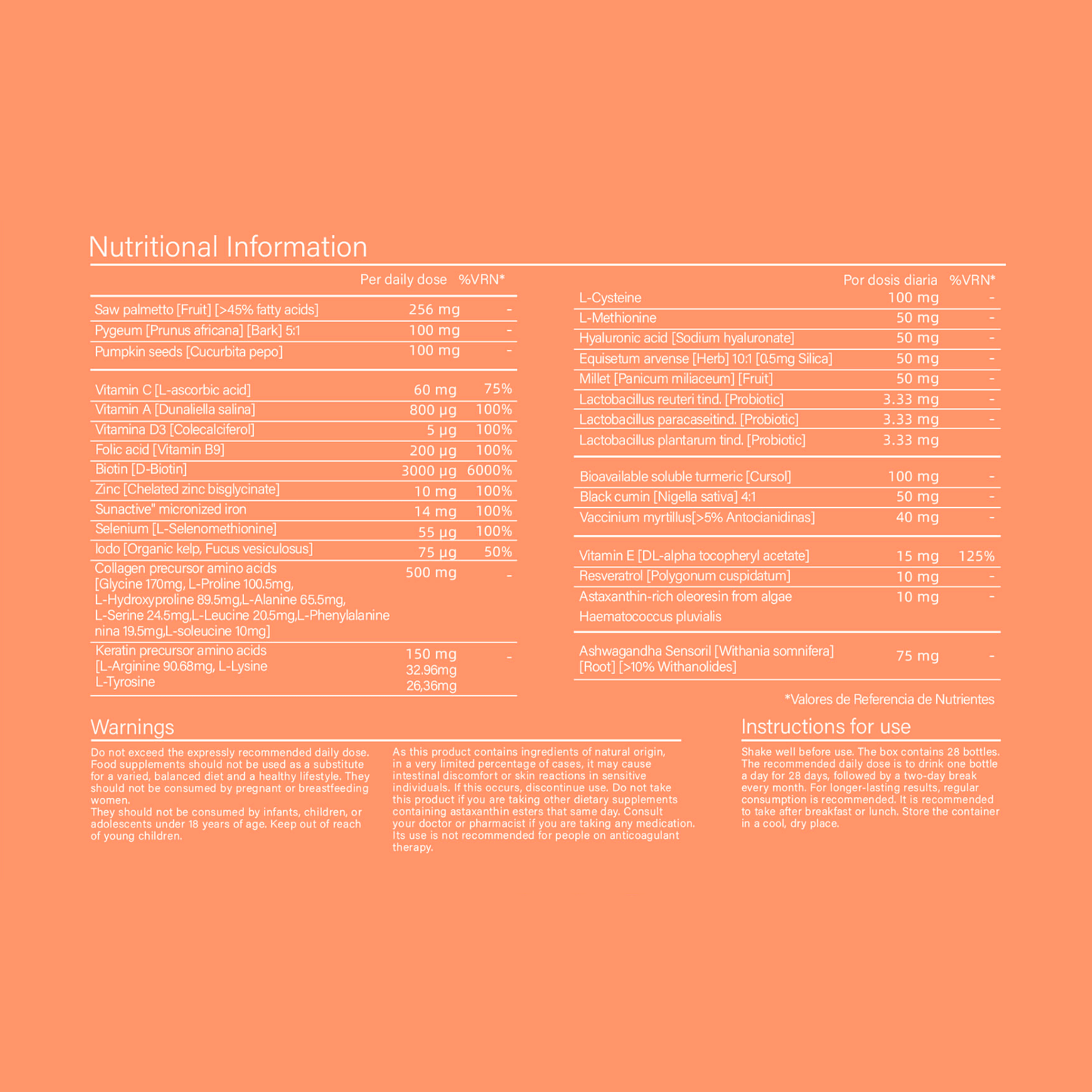
For women dealing with hair shedding, vitamin D rarely acts alone. Iron status, thyroid function, and a broader panel of micronutrients — including zinc, selenium, and B vitamins — all influence the hair cycle in parallel. This is why a targeted multi-nutrient formulation built around the hair growth cycle tends to produce better results than supplementing a single nutrient in isolation. Lumeyr Women is formulated with this multi-pathway approach in mind, bringing together the key micronutrients that female follicles rely on, including vitamin D3 alongside iron, biotin, zinc, and plant-based actives that collectively support the anagen phase.

Ready to Address the Root Cause?
Lumeyr Women is formulated with vitamin D3, iron, zinc, and biotin — the core nutrients that female hair follicles need to stay in the growth phase longer.
Shop Lumeyr Women →Beyond Vitamin D: A Whole-Nutrition Approach to Female Hair Loss
Correcting a vitamin D deficiency is an important and often overlooked piece of the puzzle — but it is rarely the whole answer. Female hair loss is almost always the result of several converging factors, and addressing only one of them tends to produce modest, sometimes frustrating results. The women who see the most meaningful, sustained improvement are typically those who audit their full nutritional status alongside their lifestyle and hormonal picture.
Iron deficiency — even without frank anaemia — is perhaps the most common co-existing nutritional driver of hair shedding in UK women. Ferritin (stored iron) levels in the range of 12–20 µg/L are technically within lab reference ranges but are considered by many trichologists to be too low for optimal hair cycling. Similarly, zinc, selenium, and certain B vitamins participate directly in protein synthesis and follicle proliferation. Our broader guide to female hair loss causes and treatments covers the full landscape if you want a more comprehensive starting point.
Hormonal factors are equally important, particularly for women in perimenopause or post-menopause, where declining oestrogen affects how efficiently micronutrients are metabolised and how the hair follicle responds to androgenic signals. If you suspect hormones are a significant driver for you, our guide to female alopecia: causes, types, and treatments goes deeper into this territory.
For women who want a convenient, evidence-informed option that covers multiple nutritional bases in a single daily format, the Lumeyr Hair Skin Nails supplement brings together a broad-spectrum profile of micronutrients — including vitamin D3, biotin, collagen support, and antioxidants — designed to work on hair, skin, and nails simultaneously. Combined with a diet rich in protein, leafy greens, and omega-3 fatty acids, and a consistent sleep routine, this kind of multi-nutrient foundation gives the body the raw materials it needs to prioritise follicle health rather than divert resources to more critical physiological demands.
Whilst vitamin D deficiency has been identified as a potential contributor to hair loss, other conditions such as postpartum hair loss may also require separate nutritional and medical considerations.
Whilst vitamin D plays a crucial role in hair follicle health, other nutritional deficiencies such as those covered in our guide on zinc deficiency and hair shedding can equally contribute to hair loss.
Whilst vitamin D deficiency has been associated with various forms of hair loss, a more comprehensive understanding of how multiple nutrients work together can be found in our Hair Nutrition: The Complete Guide to Vitamins and Minerals.
Frequently Asked Questions
Can low vitamin D cause hair loss in women?
Low vitamin D is associated with disrupted hair follicle cycling and has been observed more frequently in women with diffuse shedding and alopecia areata. While it is unlikely to be the sole cause, correcting a deficiency may support healthier regrowth when combined with other interventions.
What vitamin D level is considered deficient in the UK?
NHS guidance considers serum 25-hydroxyvitamin D below 25 nmol/L as deficient. Levels between 25–50 nmol/L are classified as insufficient. Many functional practitioners aim for 75–125 nmol/L for optimal wellbeing, though you should discuss your personal target with a GP or specialist.
How long does it take to see hair improvement after correcting vitamin D deficiency?
Hair follicles cycle slowly. Even after vitamin D levels are restored to a healthy range, noticeable improvements in density and shedding typically take three to six months. Consistency with supplementation and a broader nutritional approach is essential throughout this period.
Does vitamin D supplementation regrow hair on its own?
Not reliably. Supplementation addresses a specific deficiency, but hair loss is almost always multi-factorial. A holistic supplement formulation combined with a balanced diet — covering iron, zinc, and other micronutrients alongside vitamin D — tends to produce far better outcomes than a single nutrient approach.
Should I get a blood test before taking vitamin D for hair loss?
Yes. A blood test measuring serum 25-hydroxyvitamin D is the only reliable way to assess your status. Available via your GP or private UK testing services, it helps you and your doctor determine the correct dose and avoid over-supplementation, which carries its own risks.
Is vitamin D3 or D2 better for hair health?
Vitamin D3 (cholecalciferol) is generally considered more effective at raising and sustaining serum 25-hydroxyvitamin D levels compared to D2. Most quality UK hair supplements use D3, often paired with vitamin K2 (MK-7) to support optimal utilisation and calcium regulation.
The Bottom Line
The vitamin D and hair loss link is real, biologically plausible, and especially relevant in the UK where deficiency is widespread. Vitamin D receptors sit within the hair follicle itself, and when signalling is compromised by low levels, follicles can struggle to re-enter and sustain the growth phase. Testing your levels, correcting a deficiency with D3 alongside K2, and taking your supplement with a fat-containing meal are three practical steps that cost little but can make a meaningful difference — particularly when combined with a broader nutritional strategy.
No single nutrient will reverse hair loss in isolation, but vitamin D is one of the most actionable, testable, and correctable variables in the equation. Start there, layer in the other key players, and give the process the three-to-six months it needs to reflect genuine follicle change.

This article follows our editorial & research standards. It is informational content, not medical advice.