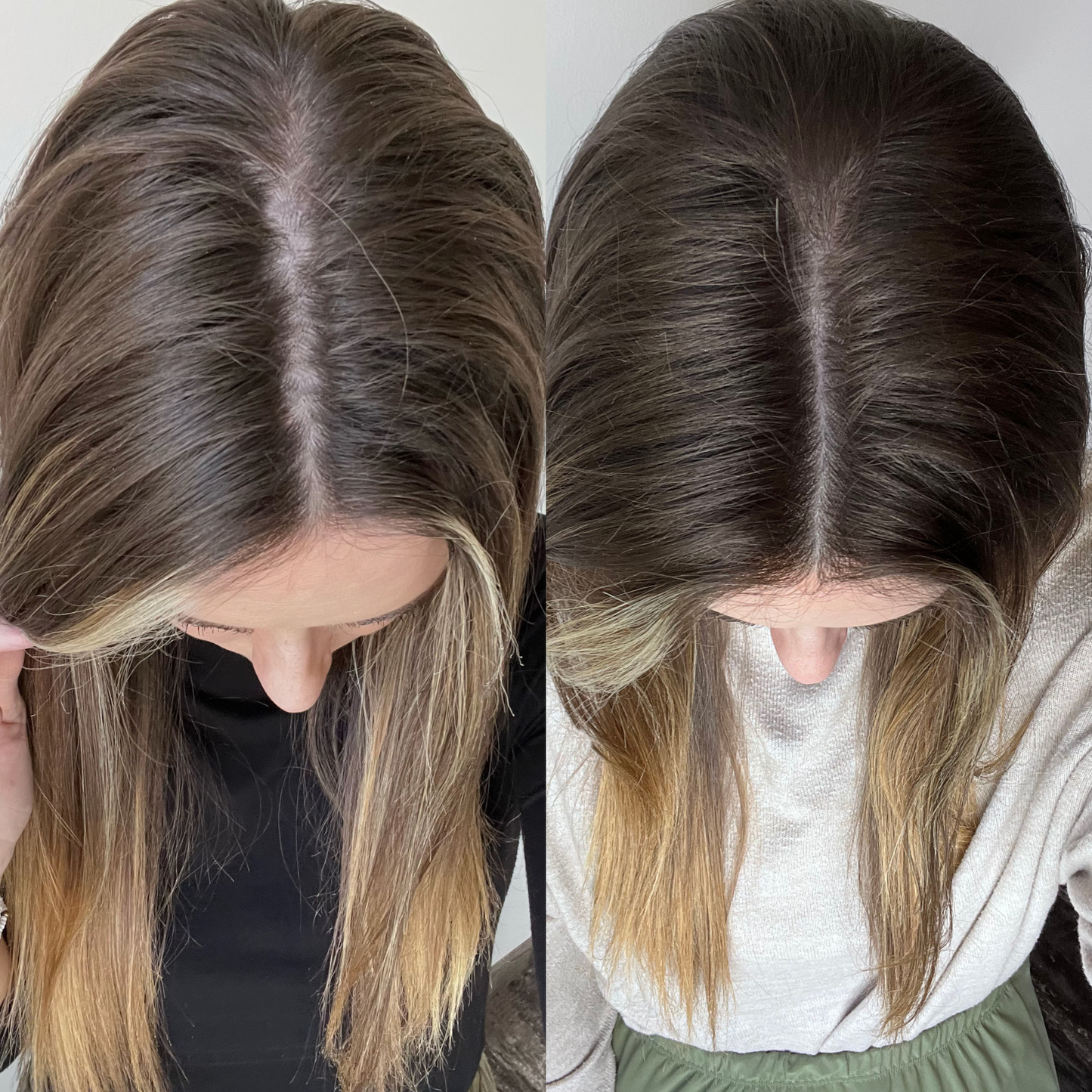
Female Hair Loss: Causes, Treatments & What Actually Works


Female hair loss causes and treatments are far more varied than most people realise — and for the millions of women in the UK affected by thinning hair, understanding the difference between a temporary shed and a progressive condition can be the first step towards genuinely effective action. This guide explains every major cause, what the evidence says about treatments, and how to build a practical, evidence-informed routine today.
How Common Is Female Hair Loss in the UK?
Hair loss is one of the most prevalent yet least openly discussed health concerns among women in the United Kingdom. Dermatological surveys and trichology clinic data consistently suggest that somewhere between 40% and 50% of women will experience noticeable hair thinning at some point in their lives, with prevalence rising sharply after the age of 50. Yet the conversation around hair loss has historically centred on men — leaving many women without the information, language or clinical pathways they need to seek help promptly.
The cultural dimension matters too. Hair carries significant associations with identity, femininity and self-confidence, which means that even moderate shedding can carry a psychological weight that is disproportionate to its clinical severity. Research into the psychological impact of female alopecia consistently records elevated rates of anxiety, social withdrawal and reduced quality of life. Acknowledging this is not alarmist; it is simply honest about why understanding the causes and available treatments is so important.
Encouragingly, awareness is growing. UK dermatology and GP services are now better equipped to investigate hair loss systematically, and the evidence base for both medical and nutritional interventions has expanded considerably in recent years. The key is knowing where to start.
Understanding the Hair Growth Cycle
Before exploring causes and treatments, it helps to understand what healthy hair actually does. Each of the roughly 100,000 follicles on a human scalp operates on its own independent cycle, moving continuously through three main phases: anagen (active growth), catagen (transition) and telogen (rest and shedding). A fourth phase, exogen, is recognised by some researchers as the active shedding component of telogen.
During anagen — which typically lasts between two and seven years in women — the follicle produces a strand of hair that grows approximately 1–1.5 cm per month. This phase determines the ultimate length your hair can reach. Catagen is brief, lasting only a few weeks, during which the follicle shrinks and detaches from its blood supply. Telogen lasts roughly three months, after which the resting hair is shed and the cycle restarts.
At any given time, around 85–90% of follicles are in anagen and 10–15% are in telogen — which is why losing 50–100 hairs daily is considered normal. Problems arise when something disrupts this balance: shortening the anagen phase, pushing too many follicles into telogen simultaneously, or causing the follicle itself to miniaturise over successive cycles. Each of these mechanisms corresponds to a different type of hair loss with different causes and treatment approaches.
The Main Causes of Hair Loss in Women
Female hair loss is rarely caused by a single factor. In most cases, several contributing influences interact — making thorough investigation more valuable than a one-size-fits-all response. The following are the most clinically significant causes seen in UK women.
Hormonal changes
Hormones are among the most powerful regulators of the hair cycle. Androgens — particularly dihydrotestosterone (DHT), a potent derivative of testosterone — can bind to receptors in genetically susceptible follicles and progressively miniaturise them, reducing the duration of the anagen phase with each successive cycle. This is the mechanism underlying androgenetic alopecia (female pattern hair loss), and sensitivity to DHT rather than testosterone levels per se determines individual vulnerability.
Beyond androgens, fluctuations in oestrogen and progesterone during pregnancy, the postpartum period, perimenopause and menopause all have profound effects on the hair cycle. The postpartum shed — typically occurring 2–4 months after delivery — is one of the most common acute hair loss experiences women report, caused by the sudden withdrawal of elevated oestrogen that had prolonged the anagen phase during pregnancy. Menopausal hair thinning is driven by declining oestrogen alongside a relative increase in androgenic activity. Our dedicated article on hair loss during the menopause explores this phase in greater depth.
Thyroid dysfunction
Both an underactive thyroid (hypothyroidism) and an overactive thyroid (hyperthyroidism) can cause diffuse hair shedding. Thyroid hormones play a direct role in regulating the duration and activity of the anagen phase. Because thyroid dysfunction is common in UK women — particularly in the perimenopausal years — it is one of the first things a GP should rule out with a blood test when diffuse shedding is reported.
Nutritional deficiencies
Hair follicles are among the most metabolically active structures in the body, and they are consequently among the first to suffer when nutrient availability is limited. Iron deficiency — even without overt anaemia — is strongly associated with telogen effluvium in women of reproductive age. Low ferritin (stored iron) is a particularly sensitive marker; many specialists consider a ferritin level below 70 µg/L suboptimal for hair health, even when it falls within conventional laboratory reference ranges.
Vitamin D insufficiency is widespread across the UK due to limited sunlight exposure, and emerging evidence suggests that vitamin D receptors in the follicle play a role in cycling regulation. Zinc, B vitamins (particularly biotin and B12), and adequate protein intake are all implicated in hair structure and follicle function.
Physical and emotional stress
Significant stressors — whether a serious illness, surgery, bereavement, extreme dieting or prolonged psychological pressure — can trigger telogen effluvium, a condition in which a large proportion of follicles are simultaneously pushed into the resting phase. The resulting shedding typically becomes apparent 6–12 weeks after the trigger event, which can make it difficult to identify the cause. This delay often leads women to attribute the shed to whatever is happening in their life at the time of the hair loss, rather than what happened two to three months earlier. Read more in our guide to managing hair loss caused by stress.
Medical conditions and medications
A range of autoimmune and inflammatory conditions affect the scalp and follicle. Alopecia areata — in which the immune system attacks follicles — causes patchy hair loss that can be unpredictable in its severity and course. Scalp psoriasis, seborrhoeic dermatitis and lichen planopilaris can all impair follicle function if poorly managed. Certain medications, including some antidepressants, blood pressure drugs, hormonal contraceptives and anticoagulants, list hair loss as a known side effect.
| Cause | Pattern of loss | Typical onset after trigger | Usually reversible? |
|---|---|---|---|
| Androgenetic alopecia | Diffuse thinning at crown and parting | Gradual, progressive | Manageable; not fully reversible |
| Telogen effluvium (stress/illness) | Diffuse, whole-scalp shedding | 6–12 weeks post-trigger | Yes, typically 3–6 months |
| Iron / ferritin deficiency | Diffuse, often with fatigue | Weeks to months | Yes, once levels are restored |
| Thyroid dysfunction | Diffuse, all-over thinning | Months | Yes, with appropriate treatment |
| Postpartum shedding | Diffuse; often heaviest at temples | 2–4 months postpartum | Yes, usually resolves by 12 months |
| Alopecia areata | Patchy, circular bald areas | Rapid; days to weeks | Often, but unpredictable |
| Traction alopecia | At hairline and temples | Months to years of tension | Early stages: yes |
Types of Female Hair Loss: Knowing Which You Have
Correctly identifying the type of hair loss you are experiencing is essential, because different conditions respond to different interventions. Pursuing a supplement strategy for what is actually alopecia areata, for example, will achieve little without addressing the autoimmune component. A trichologist or dermatologist can often make a clinical diagnosis from a scalp examination, and a GP can order the blood tests needed to investigate systemic causes.
Female pattern hair loss (FPHL)
Also called androgenetic alopecia, FPHL is characterised by gradual, diffuse thinning across the top of the scalp — particularly at the crown and along the parting line — while the frontal hairline is typically preserved (unlike the receding hairline seen in male pattern baldness). The Ludwig scale is often used to classify severity from I (mild thinning at parting) to III (extensive crown thinning). FPHL has a strong genetic component and is influenced by androgen sensitivity. It becomes more common and more pronounced after the menopause. Our detailed guide to recognising the symptoms of female androgenetic alopecia is a useful starting point for self-assessment.
Telogen effluvium
This is the most common form of acute diffuse hair loss and is most accurately described as a disruption to the hair cycle rather than a disease. Because it is reactive — occurring in response to a trigger — it is almost always temporary when the trigger is identified and addressed. Chronic telogen effluvium, which persists beyond six months, is less common but does occur and warrants thorough investigation to identify persistent nutritional, hormonal or inflammatory drivers.
Alopecia areata
An autoimmune condition causing sudden, typically patchy hair loss on the scalp and sometimes elsewhere on the body. The severity ranges from small, coin-sized patches (alopecia areata) to complete scalp hair loss (alopecia totalis) or loss of all body hair (alopecia universalis). It can occur at any age and has no single identifiable trigger, though stress and immune system disruption are thought to play a role. Management is primarily medical and should involve a dermatologist.

Treatments for Female Hair Loss: What the Evidence Shows
The landscape of female hair loss treatments spans medical therapies, nutritional interventions, topical products and procedural options. No single treatment is universally effective across all types and severities — which is why understanding the evidence behind each option is so important before committing time and money.
Minoxidil
Topical minoxidil (most commonly available as a 2% or 5% solution or foam) is the only medicine approved specifically for female pattern hair loss in the UK. It works by prolonging the anagen phase and increasing blood flow to the follicle. Studies suggest that consistent use over 4–8 months is needed to assess effectiveness, and any gains typically reverse if treatment is stopped. It is available over the counter in the UK. Side effects including scalp irritation and, rarely, unwanted facial hair are reported by some users, particularly with the higher-strength formulation.
Anti-androgen therapies
For women in whom androgenetic alopecia is confirmed and who are not at risk of pregnancy, doctors may consider anti-androgen medications such as spironolactone or finasteride off-label. These reduce the androgen activity that drives follicle miniaturisation. They require prescription and monitoring, and results typically take 6–12 months to become apparent. They are not suitable for women who are pregnant or planning to become pregnant.
Low-level laser therapy (LLLT)
Devices using low-level laser or LED light to stimulate follicle activity have accumulated a growing evidence base, particularly for androgenetic alopecia. Meta-analyses generally report modest but statistically significant improvements in hair density with consistent use over several months. Devices range from clinical-grade salon systems to at-home combs and helmets; quality and output vary considerably.
Platelet-rich plasma (PRP) injections
PRP therapy involves drawing a small amount of the patient's own blood, concentrating the platelets (which are rich in growth factors) and injecting this into the scalp. Evidence suggests it can improve hair density in androgenetic alopecia and alopecia areata, though protocols and outcomes vary widely between clinics. It is a procedural treatment administered by a qualified clinician and is not currently available on the NHS for hair loss.
Scalp stimulation and topical support
Scalp massage has demonstrated in small studies the ability to increase hair thickness when performed consistently — likely through mechanical stimulation of follicles and improved microcirculation. The JUMBO Scalp Stimulator by Lumeyr is designed specifically to deliver this kind of consistent, targeted mechanical stimulation as part of a daily routine, covering more surface area than manual massage alone.
| Treatment | Evidence level | Suitable for | Typical timeframe for results | Available in UK? |
|---|---|---|---|---|
| Minoxidil (topical) | Strong — NICE recognised | FPHL | 4–8 months | Yes, OTC |
| Spironolactone / finasteride | Moderate — off-label | FPHL (premenopausal) | 6–12 months | Prescription only |
| Nutritional supplementation | Moderate — nutrient-deficient women | Telogen effluvium, FPHL support | 3–6 months | Yes, OTC |
| Low-level laser therapy | Moderate — growing evidence | FPHL, early alopecia areata | 4–6 months | Yes (clinic + home devices) |
| PRP injections | Moderate — variable protocols | FPHL, alopecia areata | 3–6 months | Private clinics only |
| Scalp massage / stimulation | Emerging | All types as adjunct | 3–6 months | Yes |
Formulated Specifically for Women's Hair Health
Lumeyr Women combines clinically relevant nutrients — including iron bisglycinate, marine collagen, zinc, biotin and pumpkin seed oil — in doses designed to address the root nutritional drivers of female hair loss. No fillers, no empty promises.
Explore Lumeyr Women →Nutrition and Supplementation for Hair Health
Hair follicles are metabolically demanding — they divide rapidly and require a consistent supply of amino acids, vitamins and minerals. When the body perceives nutritional scarcity, it prioritises vital organs, and the follicle is one of the first structures to feel the impact. This makes nutritional status a critical variable in hair health, both as a cause of shedding and as a modifiable factor in recovery.
Iron and ferritin
Iron deficiency is the single most prevalent nutritional deficiency in UK women of reproductive age, driven largely by menstrual losses. Low ferritin — even in the absence of frank anaemia — is consistently associated with increased hair shedding and impaired follicle cycling. Ask your GP to test serum ferritin specifically (not just haemoglobin) if you suspect this may be a factor. Iron-rich foods include red meat, lentils, fortified cereals, spinach and pumpkin seeds. Pairing plant-based iron sources with vitamin C improves absorption; caffeine and calcium can impair it.
Vitamin D
Vitamin D receptors are present in the hair follicle, and deficiency has been associated with telogen effluvium and alopecia areata in observational data. The UK's limited sunlight — particularly between October and March — makes deficiency common across the population. Public Health England recommends that all UK adults consider a daily supplement of 10 µg (400 IU) throughout autumn and winter; many trichologists working with women experiencing hair loss favour somewhat higher therapeutic levels under GP guidance.
Zinc
Zinc plays a role in follicle integrity, protein synthesis and the regulation of the hair growth cycle. Both deficiency and excess can impair hair growth, which is why supplementation should aim for adequacy rather than megadosing. Dietary sources include oysters, pumpkin seeds, meat, legumes and nuts. Our detailed article on vitamins for female hair loss covers the evidence for each key micronutrient in greater depth.
Biotin and B vitamins
Biotin (vitamin B7) is one of the most marketed nutrients for hair, yet the evidence for supplementation is largely confined to people with true biotin deficiency — a relatively uncommon clinical condition. Nevertheless, because biotin deficiency can cause diffuse hair thinning and because dietary intake may be marginal in women who follow restrictive diets or take certain medications, including it at appropriate levels in a hair supplement is reasonable. B12 and folate are also important for the rapid cell division that drives hair growth.
Pumpkin seed oil
Pumpkin seed oil has attracted genuine scientific interest for hair loss, with studies suggesting it may support hair density in both androgenetic alopecia and general thinning — partly through mild inhibition of 5-alpha reductase, the enzyme that converts testosterone into DHT. Our comprehensive guide to pumpkin seed oil for women's hair growth reviews the evidence in detail. Lumeyr's Pumpkin Seed Oil Softgels deliver a standardised, cold-pressed dose to make inclusion in your daily routine straightforward.
Marine collagen
The hair shaft is composed primarily of the structural protein keratin, and adequate dietary protein — along with the amino acid building blocks for collagen synthesis — supports both the mechanical strength of the hair strand and the integrity of the follicle's surrounding connective tissue. Marine collagen, hydrolysed for improved absorption, has become a popular addition to hair health formulations and shows promise in combination with other nutrients for improving hair thickness and reducing breakage.

Scalp Health: The Foundation Most Women Overlook
The scalp is the soil in which your hair grows. A healthy scalp — with good microcirculation, balanced sebum production, a diverse and stable microbiome, and a clean follicular environment — supports the hair cycle optimally. Conversely, chronic scalp inflammation, follicular clogging, fungal overgrowth and mineral build-up can all impair follicle function without ever appearing in a blood test or triggering a clinical diagnosis.
Scalp microbiome and inflammation
Like the gut, the scalp hosts a diverse community of microorganisms. When this balance is disrupted — by over-washing, certain shampoo ingredients, stress or hormonal changes — inflammatory scalp conditions such as seborrhoeic dermatitis and dandruff can emerge. Chronic low-grade scalp inflammation may impair the follicle environment and accelerate shedding in susceptible individuals. Gentle, sulphate-free cleansing and avoiding extremely hot water are straightforward ways to reduce unnecessary irritation.
Hard water and chlorine
The majority of households in England — particularly in London, the South East and the Midlands — are supplied with hard water, containing elevated concentrations of calcium and magnesium. These minerals accumulate on the scalp and hair shaft, dulling shine, increasing porosity and contributing to scalp dryness. Chlorine, added to UK tap water for sanitation, strips natural lipids from the hair and can over time weaken the cuticle. Filtering your shower water is one of the most underrated interventions available. The Lumeyr Filtered Showerhead™ uses a multi-stage filtration system designed specifically to reduce chlorine, sediment and heavy metal exposure at the point of use.

Scalp exfoliation
Just as facial skin benefits from regular exfoliation to remove dead cells and product build-up, the scalp benefits from occasional gentle exfoliation to maintain a clear follicular environment. The Revive + Restore Scalp Scrub from Lumeyr combines physical and enzyme-based exfoliants to unclog follicles without disrupting the scalp barrier — an important consideration for women who use heavy styling products or dry shampoo regularly.
Scalp massage and stimulation
Consistent scalp massage is one of the few non-pharmacological, low-risk interventions with an emerging evidence base for hair density. Small studies have reported increased hair thickness in participants who performed regular scalp massage over periods of several months, with the proposed mechanism being increased blood flow to the follicle and mechanical stretching of dermal papilla cells. Incorporating a dedicated tool such as the JUMBO Scalp Stimulator makes this practice more consistent and effective than manual finger massage.
Building a Daily Hair Health Routine
Effective hair loss management is not about any single heroic intervention — it is about the cumulative effect of consistent, evidence-informed habits applied over months. Women who see meaningful improvements are typically those who address multiple factors simultaneously: nutritional support, scalp care, stress management and protective styling working together rather than in isolation.
A practical daily routine for a UK woman concerned about hair loss might look something like this:
- Morning: Take a targeted hair health supplement such as Lumeyr Women with breakfast (food improves absorption of fat-soluble nutrients like vitamin D). Apply a few drops of scalp oil if using one.
- Shower: Use the Lumeyr Filtered Showerhead™ to reduce chlorine exposure; wash with a gentle, sulphate-free shampoo at a temperature warm rather than hot; avoid vigorous towel-rubbing — instead, blot gently.
- Scalp care (3–4x per week): Spend 5–10 minutes with the scalp stimulator, working systematically across the scalp from front to back. On wash days, consider using the scalp scrub once a week or fortnight if build-up is a concern.
- Weekly: Apply a nourishing treatment such as the Collagen Hair Mask to restore moisture and protein to the hair shaft, reducing breakage and improving overall fibre integrity.
- Ongoing: Protect hair from unnecessary mechanical and thermal stress — limit heat styling, choose loose hairstyles when possible, and use a silk or satin pillowcase to reduce overnight friction.
Nutrition beyond supplementation also matters. Prioritise a dietary pattern rich in protein (aim for at least 50–60g daily, more if you are physically active), colourful vegetables and fruits for antioxidants, omega-3 fatty acids from oily fish or flaxseed, and iron-rich foods. Crash dieting, very low calorie intake and protein restriction are among the most reliable triggers of telogen effluvium — and are entirely preventable.
Finally, manage expectations thoughtfully. Hair grows approximately 1–1.5 cm per month, and significant visible improvement — whether from supplements, scalp care or medical treatments — typically requires at least 3–6 months of consistent effort. This is not a failure of the treatment; it is simply the biology of the hair cycle. Progress is best tracked by noting shedding levels, scalp appearance and hair texture month by month, rather than looking for dramatic change week to week.

Frequently Asked Questions
How much hair loss per day is normal for women?
It is generally accepted that losing between 50 and 100 hairs per day falls within the normal range for most women. Hair naturally cycles through growth, transition and resting phases, and shedding during the resting (telogen) phase is entirely expected. If you consistently notice significantly more than this — especially when washing or brushing — it is worth speaking to a GP or trichologist to investigate whether a nutritional, hormonal or structural cause is contributing.
What is the most common cause of hair loss in women in the UK?
Female pattern hair loss (androgenetic alopecia) is widely considered the most common type, affecting women across all age groups but becoming increasingly prevalent after the menopause. Telogen effluvium — temporary shedding triggered by stress, illness, nutritional deficiency or hormonal shifts — is also extremely common and often goes undiagnosed because the trigger occurred weeks or months before the shedding becomes visible.
Can hair grow back after female hair loss?
In many cases, yes. Temporary hair loss caused by telogen effluvium, nutritional deficiencies or stress often resolves once the underlying trigger is addressed, with regrowth typically observed within 3–6 months. Androgenetic alopecia is more progressive, but early intervention with targeted treatments — nutritional support, topical therapies and scalp care — can help slow progression and support regrowth. The earlier you act, the more options remain available.
Does stress really cause hair loss in women?
Yes — and the relationship is often underappreciated because the timing is counterintuitive. Significant physical or emotional stress can push a large proportion of hair follicles into the resting phase simultaneously, leading to diffuse shedding that typically becomes noticeable 6–12 weeks after the stressful event. This is known as telogen effluvium. Managing stress proactively, improving sleep quality and ensuring nutritional adequacy are central to both prevention and recovery.
Are hair loss supplements safe for women?
Well-formulated supplements containing nutrients such as biotin, zinc, iron, vitamin D and marine collagen are generally considered safe for most healthy adult women when taken as directed. However, very high doses of certain nutrients — particularly biotin and vitamin A — can be counterproductive or interfere with blood test results. Always consult a healthcare professional before starting supplementation if you are pregnant, breastfeeding, taking prescription medication or managing a chronic health condition.
How long does it take to see results from hair loss treatments?
Hair grows slowly, and any treatment — whether nutritional, topical or medical — requires consistent use for a meaningful period before results can be fairly assessed. Most specialists suggest allowing at least 3–6 months before judging effectiveness, and some interventions require up to 12 months of continued use to show their full benefit. Consistency is more important than intensity, and tracking shedding levels month-by-month rather than week-by-week makes progress easier to observe.
Does hard water or chlorine in tap water worsen hair loss?
Hard water — common across large parts of England — contains elevated levels of calcium and magnesium minerals that can accumulate on the scalp, leaving it dry and prone to irritation. Chlorine in tap water can strip the hair shaft of moisture and weaken the cuticle over time. While hard water alone does not typically cause clinical hair loss, it can worsen scalp conditions that impair healthy follicle function and leave hair more vulnerable to breakage. A quality filtered showerhead can meaningfully reduce this daily exposure.
When should I see a doctor about hair loss?
Consult your GP if you notice sudden, patchy or rapidly worsening hair loss; if shedding is accompanied by other symptoms such as fatigue, weight changes, scalp pain or burning; or if visible thinning has been progressing for more than three months without an obvious lifestyle trigger. A GP can arrange blood tests to check thyroid function, ferritin, vitamin D, B12 and hormone levels — all of which are essential first steps in identifying a treatable underlying cause. Early investigation leads to earlier, more effective intervention.
Ready to Take Action?
The Lumeyr Women Bundle brings together our most popular products for a complete, multi-angle approach to female hair health — from targeted nutrition to scalp care and water filtration.
Shop the Women's Bundle →Whilst genetics and hormonal imbalances are common culprits, environmental factors such as hard water and hair quality in the UK can also significantly contribute to female hair loss.
For a comprehensive overview of the various therapeutic approaches available, our complete guide to female pattern hair loss treatment options explores the most effective solutions in greater detail.
For a comprehensive overview of medical and non-medical approaches, our complete guide to female pattern hair loss treatment options explores the most effective solutions available today.
Whilst female hair loss can stem from various causes, hormonal changes during menopause are a particularly common trigger that requires targeted solutions.
Whilst addressing the underlying causes of hair loss is essential, many women find that supplementing with the best vitamins for thinning hair can provide valuable support alongside other treatment options.
Iron deficiency is a significant contributor to female hair loss, which is why understanding ferritin levels for hair regrowth is essential for UK women experiencing thinning or shedding.
To determine whether you're experiencing abnormal hair loss, it's helpful to understand how much hair fall is normal per day, as this can guide you in identifying the underlying causes of female hair loss.
For women experiencing hair loss after pregnancy, our guide on postpartum hair loss and how long it lasts in the UK provides specific insights into this common form of temporary alopecia.
Whilst minoxidil and finasteride remain the most clinically proven options, some women explore natural alternatives such as saw palmetto, which is discussed in detail in our article on saw palmetto for women's hair loss: what the evidence says.
Whilst addressing nutritional deficiencies is crucial for combating female hair loss, some women find that supplementing with marine collagen for hair may help strengthen their strands from within.
Whilst some cases of female hair loss are temporary and reversible, alopecia areata in women represents a more persistent autoimmune condition that requires specialised management strategies.
Whilst there are numerous treatment options available, some women find that natural remedies like rosemary oil for hair growth may offer additional support alongside conventional therapies.
Understanding how DHT affects female hair loss is crucial for identifying the most effective treatment options tailored to your specific condition.
Conclusion
Female hair loss is one of the most common health concerns affecting women in the UK, yet it remains one of the least openly discussed. The good news is that understanding has improved considerably: we now know that female hair loss causes and treatments span a spectrum from reversible nutritional deficiencies and stress-triggered shedding through to progressive androgenetic alopecia, and that the most effective approach almost always involves addressing multiple contributing factors simultaneously rather than searching for a single magic solution.
The foundations of a robust hair health strategy are well established: investigate underlying causes (with blood tests if necessary), address nutritional gaps — particularly iron, vitamin D, zinc and protein — support scalp health through gentle care, stimulation and clean water, and be patient with the biology. Hair is slow, and consistent effort across three to six months is the minimum meaningful timeframe for evaluating any intervention.
Where supplementation, scalp tools and protective habits address the modifiable factors within your control, medical treatments such as minoxidil or prescription anti-androgens address the hormonal drivers that lifestyle changes alone may not fully overcome. The most informed women use both approaches in parallel, guided by their own clinical picture and in dialogue with a GP or trichologist.
At Lumeyr, our commitment is to provide formulations and tools that are grounded in the real nutritional science of hair — not marketing hyperbole. If you are at the beginning of your hair health journey, our Lumeyr Women supplement is designed as the nutritional cornerstone of that approach: a daily formulation addressing the key micronutrient gaps most commonly seen in UK women experiencing hair shedding and thinning. Pair it with scalp stimulation, filtered water and a little patience, and you are doing everything within your power to give your follicles the best possible environment to thrive.
This article follows our editorial & research standards. It is informational content, not medical advice.