DHT Blockers for Women: Safe Natural Options That Work


The search for safe DHT blockers for women is genuinely complicated — most of the information online was written with men in mind, and the pharmaceutical options carry side-effect profiles that many women reasonably want to avoid. This guide focuses entirely on what the plant-based evidence actually says, how DHT affects female hair follicles differently, and which natural options are worth your attention.
Why DHT Matters for Women's Hair (More Than You Think)
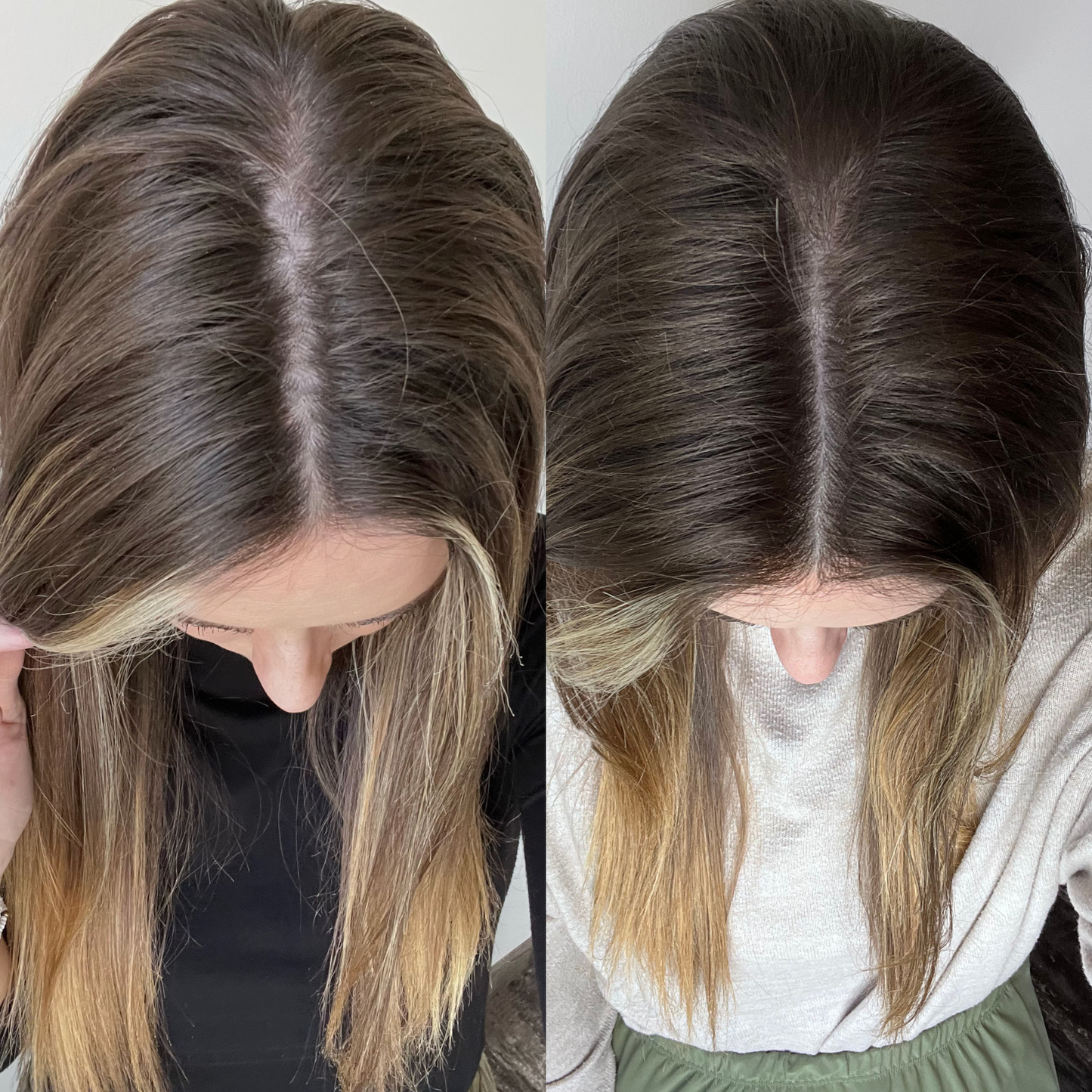
Dihydrotestosterone — DHT — is frequently discussed as a male hormone problem, but that framing is misleading. Women produce DHT too, primarily from testosterone via the enzyme 5-alpha-reductase, and the scalp's androgen receptors are just as capable of responding to it in women as in men. When those receptors are sensitive, DHT binds to hair follicles, gradually shortening the growth phase (anagen) and miniaturising the follicle over time. The result is the progressively finer, shorter strands that define androgenetic alopecia.
Androgenetic alopecia is estimated to affect between 30% and 50% of women at some point in their lives, making it the single most common form of female hair loss. Unlike the dramatic all-over shedding associated with telogen effluvium, DHT-related loss tends to be diffuse across the crown and central parting — gradual enough that many women attribute it to stress or ageing before the hormonal mechanism becomes apparent. If you recognise this pattern, our deeper article on androgenetic alopecia symptoms in women is worth reading alongside this guide.
What makes the situation more complex for women is that total DHT levels are not always elevated. Scalp-level sensitivity — governed by how many androgen receptors a follicle carries and how active local 5-alpha-reductase is — can trigger miniaturisation even when blood DHT appears within a normal range on a standard panel. This is why reducing DHT at the scalp level, whether through diet, targeted supplementation, or topical approaches, is a more nuanced goal than simply suppressing a hormone.
How DHT Blocking Actually Works
To understand why certain plants are genuinely useful here, you need a quick overview of the biochemical pathway. Testosterone is converted to DHT by the enzyme 5-alpha-reductase (5-AR), which exists in two main forms: type 1, found predominantly in the skin and sebaceous glands, and type 2, found primarily in hair follicles and the prostate. Pharmaceutical DHT blockers like finasteride inhibit both or predominantly type 2. The side-effect risk in women — particularly those of reproductive age — stems from the systemic and sometimes irreversible hormonal disruption this can cause.
Natural plant compounds, by contrast, tend to act as partial, competitive inhibitors of 5-AR. This means they reduce enzyme activity meaningfully without eliminating it — a gentler modulation rather than a hard block. Some compounds also work via complementary mechanisms: reducing sebum (which carries DHT), acting as antioxidants at the follicle level, or competing with DHT at the androgen receptor itself. This multi-pathway approach is part of why plant-based options are considered inherently safer for most women.
The Safest Natural DHT Blockers for Women
Pumpkin Seed Oil
Pumpkin seed oil is arguably the most robustly researched natural DHT blocker in the context of hair loss. Cold-pressed oil from Cucurbita pepo seeds is rich in delta-7 sterols — a class of phytosterols structurally similar to the building blocks that 5-AR recognises — as well as zinc, which itself plays a role in regulating sebum and androgen metabolism. Human trials (while still limited in scale) have shown meaningful reductions in hair loss counts compared to placebo in participants using pumpkin seed oil over 24 weeks, with no significant adverse events recorded.
For women specifically, the tolerability profile is particularly appealing. There are no known interactions with the menstrual cycle, no documented impact on fertility, and no evidence of systemic hormonal disruption at supplementary doses. Lumeyr's Pumpkin Seed Oil Softgels deliver a standardised, cold-pressed dose in an easy daily format — a solid starting point for anyone new to natural DHT management. For a detailed look at the evidence behind this ingredient, our complete guide to pumpkin seed oil for women's hair growth covers the research thoroughly.
Saw Palmetto
Saw palmetto (Serenoa repens) berry extract is the most studied plant-based 5-AR inhibitor and has a long history of safe use in both men and women. Its active fatty acids — including lauric acid, oleic acid, and myristic acid — are thought to competitively inhibit both type 1 and type 2 5-AR. Published research on saw palmetto in female hair loss is more limited than in men, but early human studies and a stronger body of mechanistic evidence support its inclusion in a natural DHT-reducing protocol. Women who are pregnant or actively trying to conceive should avoid saw palmetto due to its theoretical influence on androgen-dependent processes in foetal development.
Green Tea Extract (EGCG)
Epigallocatechin gallate (EGCG), the principal catechin in green tea, inhibits 5-AR activity and also reduces androgen receptor sensitivity in cell studies. It additionally provides antioxidant protection at the follicle level, which helps neutralise the oxidative stress that compounds DHT-driven miniaturisation. Green tea extract is widely available, very well tolerated, and synergises well with other natural DHT blockers in a combined supplement approach.
Zinc
Zinc is not strictly a DHT blocker, but it acts as a natural cofactor that regulates sebum production and modulates androgen metabolism. Low zinc status has been associated with elevated 5-AR activity, meaning that ensuring adequate zinc intake removes one unnecessary driver of DHT-related damage. Many women with hair thinning are sub-optimally supplied with zinc, making it a sensible foundational inclusion.
Reishi Mushroom
Reishi (Ganoderma lucidum) contains ganoderic acids that have demonstrated 5-AR inhibitory activity in laboratory studies. Human evidence is sparse compared to the other options above, but the safety record of reishi across centuries of use and its additional immune-modulating benefits make it a worthwhile complementary ingredient in a broader hair-support formula.

Comparing Your Options: A Practical Breakdown
Not all natural DHT blockers are equal in terms of evidence strength, convenience, and suitability across different female profiles. The table below gives an honest overview to help you prioritise.
| Ingredient | Primary Mechanism | Evidence Level | Safety for Women | Key Caution |
|---|---|---|---|---|
| Pumpkin Seed Oil | 5-AR inhibition via delta-7 sterols | Moderate (human trials) | High — no hormonal interference documented | Choose cold-pressed, standardised sources |
| Saw Palmetto | Competitive 5-AR inhibition (type 1 & 2) | Moderate (mostly male trials, mechanistic support) | High for non-pregnant women | Avoid during pregnancy or when trying to conceive |
| EGCG (Green Tea) | 5-AR inhibition + androgen receptor modulation | Moderate (cell & animal studies, some human data) | Very high — widely tolerated | High-dose extracts on an empty stomach may cause nausea |
| Zinc | Sebum regulation + androgen metabolism support | Good (foundational nutritional evidence) | Very high at RDA levels | Excess zinc can inhibit copper absorption — stay within recommended ranges |
| Reishi Mushroom | 5-AR inhibition via ganoderic acids | Early (laboratory + traditional use) | High | Limited human hair-loss specific trials to date |
| Finasteride (pharmaceutical) | Potent type 2 5-AR inhibition | Strong (male trials; limited female data) | Low — not licensed for women in the UK; teratogenic risk | Not recommended for women of reproductive age |
The clearest takeaway is that pumpkin seed oil and saw palmetto occupy the best intersection of human evidence and female-specific safety. They address the same enzyme pathway as pharmaceutical options, but without the systemic hormonal risks that make finasteride unsuitable for most women.
Start With the Most Studied Natural DHT Blocker
Lumeyr's Pumpkin Seed Oil Softgels deliver cold-pressed, standardised pumpkin seed oil — the natural DHT blocker with the strongest human evidence for women's hair thinning.
Shop Pumpkin Seed Oil Softgels →What to Watch Out For
The natural supplement market for hair loss in the UK has expanded rapidly, and not all products are created equal. There are a few patterns worth knowing before you commit to anything.
Undisclosed or Unstandardised Ingredients
A product listing "pumpkin seed oil" or "saw palmetto extract" on the label tells you very little if the standardisation level is not disclosed. The active compounds — delta-7 sterols in pumpkin seed oil, fatty acid content in saw palmetto — vary enormously depending on extraction method and seed provenance. Always look for supplements that specify the extraction standard or liposterolic content, and favour cold-pressed oils over heat-processed alternatives.
Pharmaceutical Crossover Without Medical Oversight
Some online sources suggest women use finasteride or dutasteride — drugs licensed in the UK for male androgenetic alopecia — as DHT blockers. These are not approved for use in women in the UK, carry a Category X teratogenic risk, and should never be used without specialist oversight from a trichologist or dermatologist. Natural alternatives are the appropriate first step for women investigating this area independently.
Ignoring Underlying Causes
DHT sensitivity is often one piece of a larger hormonal picture. Thyroid dysfunction, iron-deficiency anaemia, and elevated cortisol from chronic stress can all amplify androgenetic shedding — or cause hair loss that mimics it. If your shedding is significant or sudden, ruling out these factors with a GP is important before attributing everything to DHT. Our article on female hair loss causes and treatments provides a useful map of the full diagnostic landscape.
Building a Realistic DHT-Reducing Routine
The most effective approach combines oral supplementation with scalp-level support. DHT accumulates in sebum, so scalp hygiene and circulation both matter alongside what you take internally.
Oral Supplementation: The Foundation
A targeted supplement that includes pumpkin seed oil alongside complementary nutrients provides the most consistent delivery of 5-AR inhibiting compounds. Lumeyr Women combines several of these active ingredients in a single daily formula designed specifically around female hair and hormonal physiology, making it a practical option for women who want a consolidated approach rather than managing multiple individual supplements.
Scalp Hygiene: Clearing DHT Build-Up
DHT binds to sebaceous glands and accumulates at the follicle opening in sebum. Regular, thorough scalp cleansing is genuinely part of a DHT-reduction strategy — not just good hygiene. A well-formulated scalp scrub used once or twice a week helps clear this build-up without disrupting the scalp's natural barrier. The Revive + Restore Scalp Scrub is designed to exfoliate gently whilst supporting the scalp environment your follicles need to thrive.
Scalp Stimulation: Circulation as a Complement
Mechanical scalp stimulation — through tools like a scalp massager or dedicated stimulator — supports blood microcirculation to the follicle. Better-perfused follicles are more resilient to DHT-related miniaturisation and more responsive to the nutrients delivered via supplementation. Building even five minutes of massage into a weekly routine adds a meaningful layer to your approach.
Diet: Reducing Dietary DHT Precursors
Dietary choices influence androgen metabolism. A diet high in refined carbohydrates and seed oils raises insulin, which in turn upregulates 5-AR activity. Conversely, diets rich in zinc (pumpkin seeds, lentils, chickpeas), lycopene (tomatoes, watermelon), and omega-3 fatty acids have all been associated with more favourable androgen profiles. These are not dramatic interventions, but they create a lower-inflammation environment in which your supplements can work more effectively.

For women seeking natural DHT-blocking solutions, saw palmetto supplements offer a well-researched option worth considering, particularly given their long history of use in traditional medicine.
Frequently Asked Questions
Is it safe for women to use DHT blockers?
Natural DHT blockers derived from plants — such as pumpkin seed oil, saw palmetto, and green tea extract — are generally considered safe for most women when taken at typical supplementary doses. They work via mild 5-alpha-reductase inhibition rather than hormonal interference, making them far gentler than pharmaceutical options. Women who are pregnant, breastfeeding, or on hormonal medication should always consult a GP or specialist before starting any new supplement.
How long does it take for natural DHT blockers to work for women?
Hair follicle cycles mean meaningful results typically require at least three to six months of consistent use. Most women using natural DHT-blocking supplements report noticing reduced shedding after eight to twelve weeks, with visible density improvements becoming apparent between the three and six month mark. Consistency is more important than dosage escalation.
Can DHT cause hair loss in women who are not menopausal?
Yes. Elevated DHT sensitivity can affect women at any adult age, including those in their twenties and thirties. Conditions such as polycystic ovary syndrome (PCOS), post-partum hormonal shifts, or an inherited sensitivity of the androgen receptors in scalp follicles can all trigger androgenetic alopecia well before the menopause. For women going through the menopause, our dedicated guide on hair loss during the menopause addresses the specific hormonal dynamics involved.
What is the best natural DHT blocker supplement for women in the UK?
The most evidence-referenced natural DHT blockers for women include pumpkin seed oil (rich in delta-7 sterols), saw palmetto berry extract, and green tea catechins (EGCG). A supplement such as Lumeyr's Pumpkin Seed Oil Softgels, which delivers a standardised dose of cold-pressed pumpkin seed oil, is a well-tolerated and evidence-supported starting point for women concerned about DHT-related shedding.
Do natural DHT blockers interfere with the contraceptive pill?
Plant-based DHT blockers act on scalp enzymes rather than altering circulating hormone levels significantly, so they are not known to interfere with oral contraceptives. However, individual responses vary and any woman on hormonal contraception or other medication should discuss supplementation with her GP before starting.
Can I use topical products alongside oral DHT-blocking supplements?
Yes, and combining approaches is often more effective. Using a scalp scrub to remove sebum and DHT-laden build-up whilst taking an oral supplement addresses the problem from two angles simultaneously. Scalp massage tools may also support blood circulation to follicles, creating a more receptive environment for regrowth.
Conclusion
The search for safe DHT blockers for women leads, almost inevitably, to the same small group of well-studied plant compounds: pumpkin seed oil, saw palmetto, green tea extract, and zinc. None of them offer the blunt force of pharmaceuticals — and that is precisely what makes them appropriate for most women. They work with the body's own regulatory systems rather than overriding them, and they do so without the reproductive risks that make finasteride unsuitable for the majority of women who enquire about it.
The key is patience and layering. A standardised oral supplement providing delta-7 sterols and complementary nutrients, combined with consistent scalp care and attention to the dietary factors that upregulate 5-AR, gives your follicles a genuinely supportive environment in which to stabilise and recover. Give any protocol a minimum of three months before assessing, track objectively, and adjust from there.
If you are still uncertain which approach suits your specific situation, our broader article on female pattern hair loss treatment options maps the full range from natural to medical, helping you make an informed decision with your GP or trichologist.

Ana Belén spends more time than she'd admit reading papers on phytosterols, saw palmetto and pumpkin seed oil. Her voice on the blog brings researcher-grade rigour with the accessible language anyone exploring real natural alternatives deserves.
This article follows our editorial & research standards. It is informational content, not medical advice.