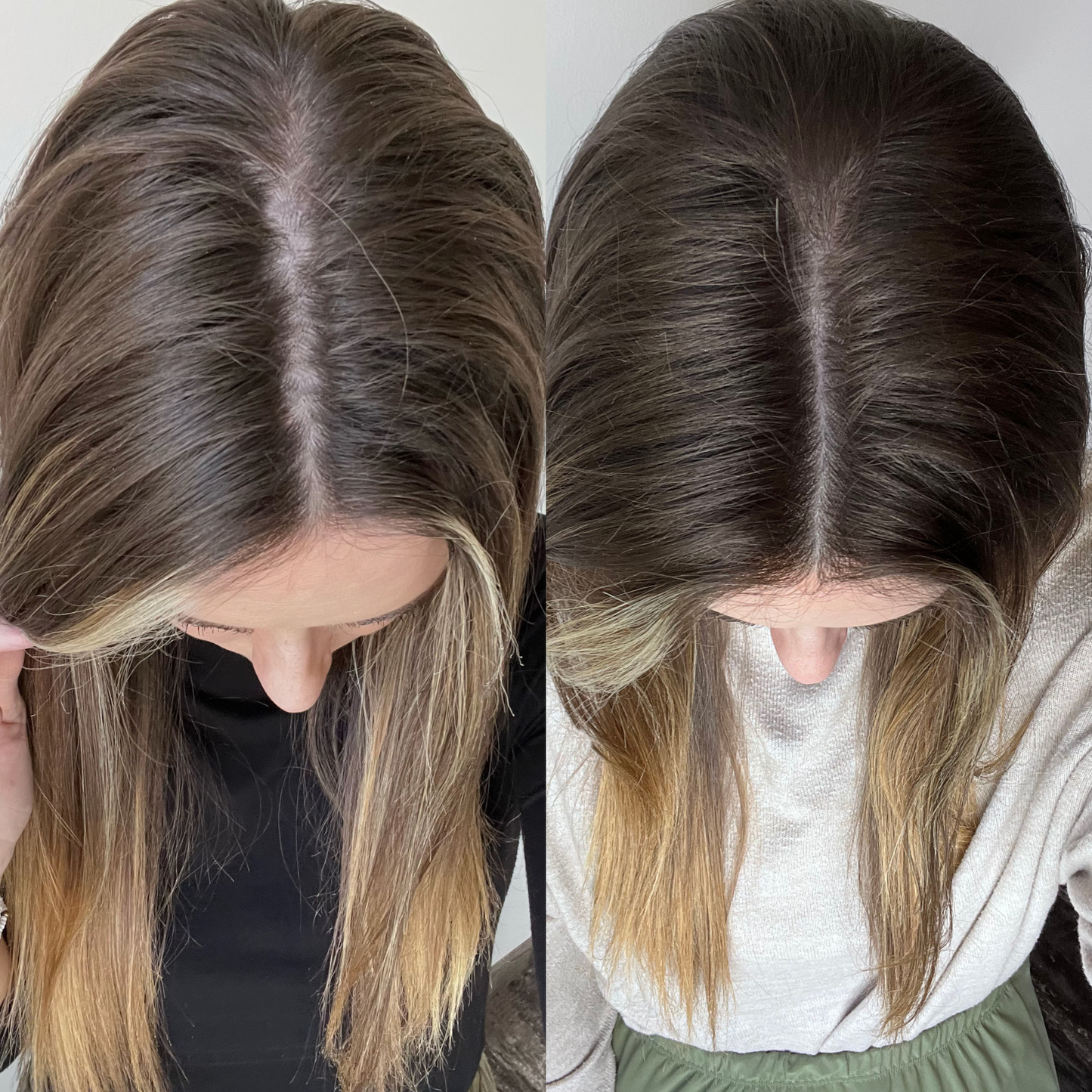
Are Hair Vitamins Worth It? An Honest Buying Guide (2026)

- Hair vitamins can genuinely support growth — but only if a deficiency or dietary gap is the underlying issue.
- Look for clinically relevant doses of biotin, zinc, iron, and vitamin D rather than a long ingredient list at trace amounts.
- Expect 3–6 months before assessing results; anything claiming faster change should be scrutinised.
- Not a substitute for medical advice if you have noticeable hair loss — see your GP first.

If you're searching "are hair vitamins worth it" and comparing options before spending money, you're in exactly the right place. This guide cuts through the marketing noise to tell you what the evidence actually supports, which products are genuinely worth your consideration, and — just as importantly — when no supplement will help at all.
Contents
How we chose: our evaluation criteria
To keep this guide honest and useful, every product was assessed against five criteria. These are the same factors a well-informed buyer should use, regardless of brand.
- Ingredient evidence: Is each key ingredient backed by published research — not just marketing claims?
- Dosage transparency: Are the doses per nutrient clearly declared on the label, and are they at levels relevant to the research?
- Format suitability: Does the delivery format (gummy, capsule, tablet, liquid) affect bioavailability or consistency of use?
- Value for money: What is the monthly cost relative to the dose quality provided?
- UK availability and compliance: Is the product readily available in the UK, and does it follow UK food supplement regulations?
No product scores perfectly across all five. Honest trade-offs are part of every recommendation below.
Do hair vitamins actually work?
The honest answer: sometimes, and for specific reasons. Hair vitamins are not magic. But the biology is real.
Hair follicles are among the most metabolically active cells in the body. They require a constant supply of micronutrients to sustain the anagen (active growth) phase. When the body is deficient in iron, zinc, vitamin D, or biotin, the follicle cycle can shorten, leading to increased shedding and slower regrowth.
Research consistently links low ferritin (stored iron) and low vitamin D levels to telogen effluvium — the diffuse shedding that many UK women experience, particularly after illness, high stress, or a restricted diet. A systematic review examining micronutrient deficiencies and hair loss (Guo & Katta, 2017 — Dermatology Practical & Conceptual) found that correcting documented deficiencies produced measurable improvements in hair density.
Biotin (vitamin B7) is the ingredient most heavily marketed in this category. It contributes to normal macronutrient metabolism and to the maintenance of normal hair — that is an EFSA-approved claim. However, biotin deficiency is genuinely rare in people eating a varied diet, and supplementing beyond sufficiency does not produce additional growth benefits for most people.
Where hair vitamins earn their place is in filling realistic dietary gaps: insufficient protein intake, restrictive diets, post-illness recovery, or high-demand life stages such as postpartum or perimenopause.

What hair vitamins won't do
This section matters. Supplements have real limitations, and any guide that skips this part is selling, not advising.
- They won't reverse androgenetic (pattern) hair loss on their own. Female pattern hair loss involves DHT sensitivity at the follicle level — a process that micronutrients alone cannot stop. Medical treatments exist; a GP or trichologist referral is the right first step. See our guide to female pattern hair loss treatment options for a fuller picture.
- They won't work if your loss has a medical cause. Thyroid conditions, PCOS, and autoimmune alopecia require diagnosis and treatment — not a gummy. If you're noticing significant or sudden hair loss, please see your GP before spending money on supplements.
- Most studies are small. The research base for hair supplements is promising but not conclusive. Sample sizes in many trials are under 100 participants, and formulations are often combined, making it hard to isolate which ingredient drove the effect. Large, pre-registered, placebo-controlled trials are still lacking.
- Results take time. The hair growth cycle is 3–6 months long. Expecting visible change in four weeks is unrealistic, and any brand promising that should be treated with caution.
The top picks for 2026
#1 — Lumeyr Hair, Skin & Nails Gummies
Our top pick for most people looking for a daily hair supplement they'll actually stick to. The Lumeyr Hair, Skin & Nails Gummies stand out for three reasons: full ingredient transparency with declared doses per nutrient, a combination that covers the most commonly deficient micronutrients in the UK adult population (biotin, zinc, vitamins C and E), and a gummy format that meaningfully improves adherence versus capsules for many people.
Key ingredients and their EFSA-recognised roles:
- Biotin — contributes to the maintenance of normal hair
- Zinc — contributes to the maintenance of normal hair and nails
- Vitamin C — contributes to normal collagen formation for the normal function of skin
- Vitamin E — contributes to the protection of cells from oxidative stress
Pros: Pleasant format that supports daily consistency; all doses declared; no proprietary blend concealment; UK-compliant labelling; available direct with no import wait.
Cons: Gummies typically contain a small amount of sugar; not suitable for anyone avoiding added sweeteners. If your primary concern is androgenetic hair loss rather than a nutritional gap, a more targeted formula such as Lumeyr Women (which includes additional botanicals) may be a better fit.
Price: see lumeyr.com
Try Lumeyr Hair, Skin & Nails Gummies
Full ingredient transparency, UK-compliant, and a format you'll actually remember to take. Free UK delivery available.
Shop Hair, Skin & Nails Gummies#2 — Viviscal Extra Strength (available at Boots and Amazon UK)
Viviscal is one of the most studied branded hair supplement ranges on the market. Its proprietary marine protein complex (AminoMar) has been the subject of several published trials in women with thinning hair. It's widely stocked at Boots and on Amazon UK, making it easy to find.
Pros: Has published clinical trials specific to the formula; widely available; long track record in this category.
Cons: Not suitable for anyone with fish or shellfish allergies (the marine complex is a key component); at a higher monthly cost than many alternatives (check current pricing at Boots or Amazon UK, as it varies by retailer); tablet format suits some people less well than capsules or gummies.
#3 — Perfectil Original Hair (Holland & Barrett)
Perfectil is a long-standing UK brand sold at Holland & Barrett. The original hair tablet combines a broad B-vitamin complex with zinc and selenium. It's one of the more affordable options in this category and has good shelf availability.
Pros: Budget-friendly; widely available in-store and online; covers a broad base of B vitamins.
Cons: The broad-spectrum approach means no single nutrient is particularly high-dose; the tablet format can be large; some formulations use lower-bioavailability forms of certain minerals — check the label for the specific compound used (e.g. zinc oxide vs zinc citrate).
#4 — Hairburst Chewable Hair Vitamins (Amazon UK, Boots)
Hairburst has a strong social media presence and is available widely in the UK. The chewable format is similar to Lumeyr's gummies, and the product is designed specifically for hair.
Pros: Accessible; pleasant format; hair-focused marketing means the target audience is well-catered for in terms of communication.
Cons: Doses of some key nutrients are on the lower end of what is found in comparable products — verify the current label before purchasing, as formulations can change. Some users find the flavour stronger than expected.
#5 — Nutrafol Women (via US import / nutrafol.com)
Nutrafol is a premium US brand with published clinical data on its formula. It is not widely stocked in UK high-street retailers, so most UK buyers would import it, which adds cost and delivery time. For a detailed head-to-head comparison, see our Nutrafol vs Lumeyr comparison.
Pros: Has several published clinical trials; comprehensive formula with botanicals including ashwagandha and saw palmetto; strong reputation among US trichologists.
Cons: Approximate cost approx. £75–£85/month via US import; no UK VAT or regulatory oversight in the same way; large capsule count per day (4 capsules); not ideal if you want a simple, low-dose format.

Full comparison table
| Product | Format | Key ingredients declared? | UK availability | Suitable for | Notable limitation |
|---|---|---|---|---|---|
| Lumeyr Hair, Skin & Nails Gummies | Gummy | Yes — full label transparency | Direct (lumeyr.com) | Nutritional gaps, daily adherence, general hair & skin support | Contains sugars; not the most targeted for androgenetic loss |
| Viviscal Extra Strength | Tablet | Partial (proprietary marine blend) | Boots, Amazon UK | Women with general thinning; those wanting a formula with published trials | Not suitable for fish/shellfish allergy; higher cost |
| Perfectil Original Hair | Tablet | Yes | Holland & Barrett, Amazon UK | Budget-conscious buyers; broad B-vitamin top-up | Lower individual doses; variable mineral forms |
| Hairburst Chewable | Chewable tablet | Yes | Boots, Amazon UK | Those who prefer a chewable format; hair-focused formula | Some key nutrient doses are modest; verify current label |
| Nutrafol Women | Capsule (4/day) | Yes | Import only (approx. £75–£85/month) | Those wanting a high-end, clinically studied botanical formula | Import cost and delay; high daily capsule count |
Ready to try a hair supplement that's transparent about what's inside?
The Lumeyr Hair, Skin & Nails Gummies are formulated for daily consistency and full-label honesty — no proprietary blends, no hidden doses.
See full ingredients & pricingVerdict: who should buy what — and who shouldn't buy anything yet
If you eat a reasonably varied diet, have no diagnosed deficiency, and are experiencing significant hair shedding, the first step is a blood test — not a supplement. Ask your GP to check ferritin, vitamin D, thyroid function (TSH), and if relevant, androgens. This is especially important for women experiencing hair loss around the temples or crown, which may indicate female androgenetic alopecia requiring specific treatment.
The Lumeyr Hair, Skin & Nails Gummies are the right choice if:
- You've identified (or reasonably suspect) a nutritional gap — restricted diet, post-illness recovery, postpartum, or a busy lifestyle where food quality is inconsistent
- You want a gummy format to support daily adherence
- You want full transparency on what you're taking and at what dose
- You'd like to combine it with a scalp care routine — topical tools like the JUMBO Scalp Stimulator or the Revive + Restore Scalp Scrub can support circulation and follicle health alongside supplementation
It is NOT for you if:
- You have a diagnosed medical condition causing hair loss — supplements are not a treatment
- You avoid added sugars entirely — a capsule format may suit you better
- You are pregnant or breastfeeding — always consult your GP or midwife before taking any supplement in these stages
- You expect results in under eight weeks — patience is genuinely required
For women whose hair loss is more complex — including those navigating perimenopause or stress-related shedding — our best supplement for women's hair loss guide covers more targeted options including Lumeyr Women, which adds botanicals beyond the core micronutrient base.
If you're experiencing thinning hair or noticeable shedding, our guide to best vitamins for female hair loss UK offers targeted recommendations that may prove more effective than general hair vitamins alone.
Frequently asked questions
Are hair vitamins worth it if I already eat a balanced diet?
If your diet genuinely covers all micronutrient needs and you have no deficiency, the additional benefit of a hair supplement is likely to be modest — most of the evidence for hair vitamins relates to correcting shortfalls rather than enhancing normal function. That said, many UK adults are low in vitamin D year-round and may have borderline ferritin levels without knowing it; a blood test is the most efficient way to find out whether a supplement would actually help you.
How long do hair vitamins take to work?
Most honest estimates from the research and clinical practice suggest a minimum of 3 months before noticeable change, with 6 months being a more reliable window for fair assessment. This reflects the biology of the hair growth cycle: the anagen phase alone lasts 2–6 years, and newly supported follicles still need time to produce visible strands. Do not judge a supplement at four or six weeks.
Can I take hair vitamins if I'm pregnant or breastfeeding?
You should always consult your GP or midwife before taking any supplement during pregnancy or breastfeeding, including hair vitamins. Some ingredients — including high-dose vitamin A — are contraindicated in pregnancy, and general multivitamins designed for this life stage may be more appropriate than hair-specific formulas.
How much do Lumeyr Hair, Skin & Nails Gummies cost, and is there a subscription?
The current price is available on the product page — we don't hardcode prices here because they can change: see lumeyr.com. Subscription and bundle options are displayed at checkout. For delivery details and current promotions, check the product page directly.
Do I need a prescription for hair vitamins in the UK?
No — hair vitamins are food supplements and are available without a prescription in the UK. They are regulated under food law, not medicines law, which is precisely why no supplement can legally claim to treat or cure any condition. If you suspect a medical cause for your hair loss, a GP referral is the appropriate route rather than over-the-counter supplements.
What is the difference between Lumeyr Hair, Skin & Nails Gummies and Lumeyr Women?
The Hair, Skin & Nails Gummies focus on core micronutrients — biotin, zinc, vitamins C and E — to support the maintenance of normal hair, skin, and nails. Lumeyr Women is a more comprehensive formula that adds botanical ingredients including pumpkin seed oil, which may support scalp health and has been studied in the context of hair density (see our pumpkin seed oil guide). If your primary goal is nutritional gap-filling in an easy format, the gummies are the simpler, more accessible choice. If you're managing more significant or hormonally linked hair thinning, Lumeyr Women may be more appropriate.
Sources
- Guo & Katta (2017) — Diet and hair loss: effects of nutrient deficiency and supplement use, Dermatology Practical & Conceptual
- Almohanna et al. (2019) — The role of vitamins and minerals in hair loss: a review, Dermatology and Therapy
- Cho et al. (2014) — Effect of pumpkin seed oil on hair growth in men with androgenetic alopecia, Evidence-Based Complementary and Alternative Medicine (PMC4017725)
- Panahi et al. (2015) — Rosemary oil vs minoxidil 2% for the treatment of androgenetic alopecia, Skinmed (PMID 25842469)
- Rushton (2002) — Nutritional factors and hair loss, Clinical and Experimental Dermatology

This article follows our editorial & research standards. It is informational content, not medical advice.