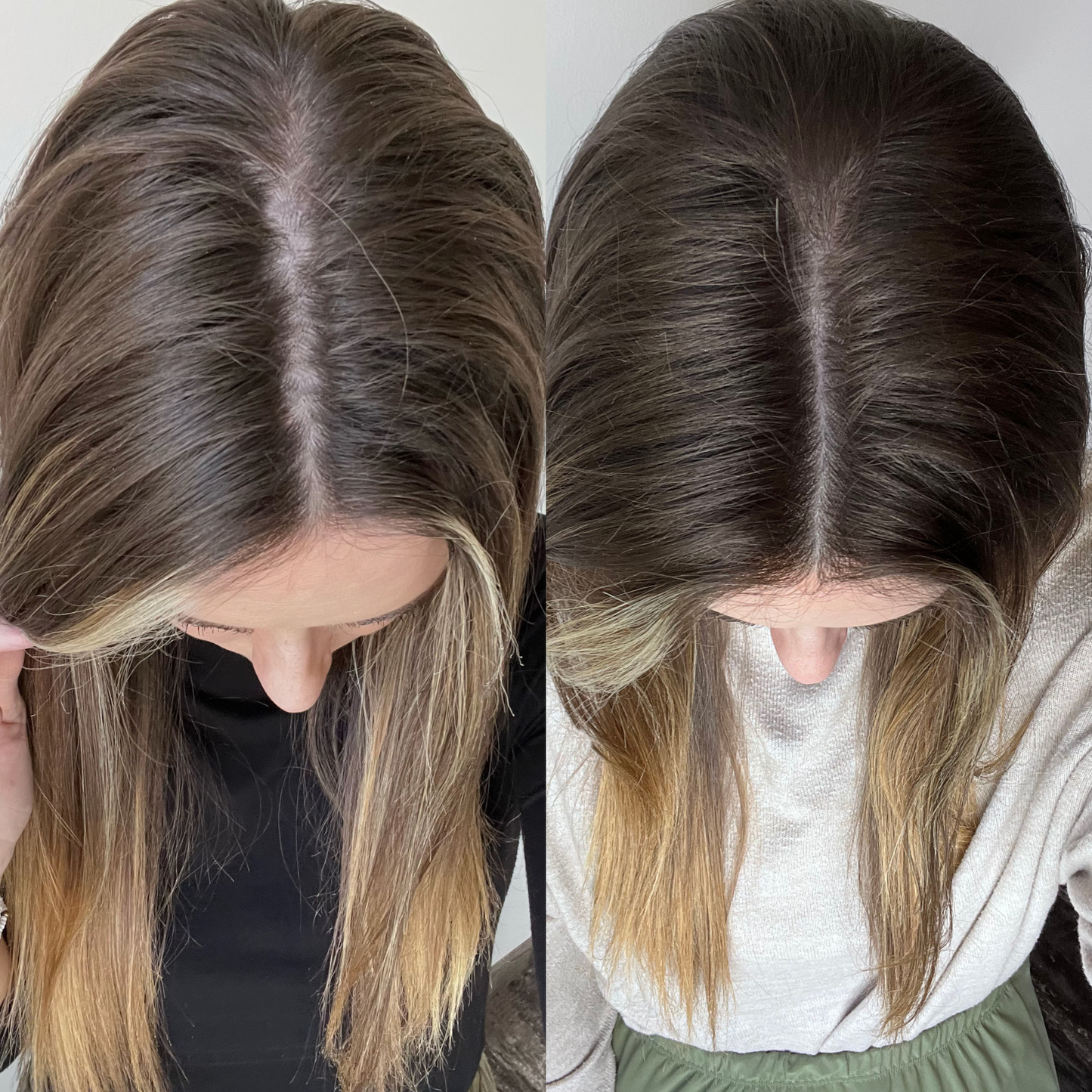
Protein Intake and Hair Health: What You Need to Know

- Hair is made almost entirely of keratin, a structural protein — so adequate dietary protein is the single most important nutritional factor for strand integrity.
- Most UK adults need roughly 0.75–1.2 g of protein per kg of body weight per day; active women or those with telogen effluvium may benefit from the higher end.
- Deficiency triggers a shedding phase within weeks; recovery after adequate intake resumes can take three to six months due to the hair growth cycle.
- Micronutrients (biotin, zinc, iron, vitamins C and D) work alongside protein — not instead of it.

Protein intake and hair health are more tightly linked than most people realise: every strand you grow is roughly 95% keratin, a fibrous protein assembled from the amino acids in your diet. If that supply falters, your follicles notice — often before any other tissue does.
Why protein is the foundation of hair structure
Hair is not a living tissue in the way skin or muscle is, but the follicle that produces it is among the most metabolically active structures in the body. During the anagen (active growth) phase — which you can read more about in our Hair Growth Cycle Explained guide — follicular matrix cells divide rapidly and require a constant supply of amino acids to synthesise keratin chains.
Keratin itself is a family of fibrous structural proteins rich in sulphur-containing amino acids, particularly cysteine. The disulphide bonds formed between cysteine residues give hair its mechanical resilience: the ability to stretch, resist breakage, and hold moisture within the cortex. Insufficient dietary protein means fewer of these building blocks are available, and the body responds by diverting amino acids to higher-priority organs — primarily the heart, liver, and immune system.
The result? Follicles in anagen are prematurely pushed into telogen (resting phase), a well-recognised phenomenon called telogen effluvium. Because the telogen phase typically lasts two to four months before hairs shed and a new cycle begins, you may not notice diffuse shedding until weeks after the dietary insult actually occurred. This delay makes protein the most frequently overlooked culprit in unexplained hair loss.
How much protein do you actually need?
The UK Reference Nutrient Intake (RNI) for protein sits at approximately 0.75 g per kilogram of body weight per day for sedentary adults. For a 65 kg woman, that equates to roughly 49 g of protein daily — a figure that surprises many people who assume they are already meeting it. In practice, requirements can be meaningfully higher depending on your circumstances.
| Group | Approximate daily target | Notes |
|---|---|---|
| Sedentary adult women | 0.75 g/kg body weight | UK RNI baseline; minimum to prevent deficiency |
| Moderately active women | 1.0–1.2 g/kg | Exercise increases amino acid turnover |
| Women experiencing diffuse shedding | 1.0–1.4 g/kg | Higher intake supports follicle recovery alongside medical review |
| Women over 55 | 1.0–1.2 g/kg | Absorption efficiency declines with age; protein synthesis slows |
| Vegans and vegetarians | 10–20% above RNI | Plant proteins have lower digestibility scores on average; combine sources |
It is worth noting that hitting a protein target spread across the day appears more effective for synthesis than consuming the same total in a single meal. Aim for a meaningful protein source at each of your three main meals — ideally 20–35 g per sitting — rather than front- or back-loading.
Signs that low protein may be affecting your hair
Unlike iron deficiency, which can be confirmed with a blood test, there is no single biomarker that flags “protein deficiency affecting hair.” Clinically, dermatologists and trichologists tend to piece together a picture from dietary history, serum albumin levels, and the pattern of hair loss. That said, several features can suggest protein is part of the problem.
Diffuse shedding — loss distributed across the whole scalp rather than in a defined pattern — is the hallmark. You may notice more hair than usual on your brush, in the shower drain, or on your pillow. The shed hairs typically have a white bulb at the root, indicating they completed a normal (if early) cycle rather than breaking mid-shaft. Hair that does remain on the scalp may feel finer, less resilient, or prone to snapping when stretched.
Changes in colour and texture can also occur in severe or prolonged deficiency. In children with protein-energy malnutrition, the classic sign is hair that becomes lighter, drier, and more brittle — though this degree of deficiency is uncommon in the UK outside of very restrictive eating or certain malabsorptive conditions. More often, UK women experience subtle thinning that they attribute to stress, ageing, or genetics, when dietary protein is at least a contributing factor.

Best protein sources for hair health
Not all proteins are equal when it comes to follicle support. What matters most is the amino acid profile — specifically the presence of the essential amino acids your body cannot synthesise, and the relative abundance of cysteine, methionine, and lysine, which are particularly important for keratin production.
Animal-derived sources
Eggs are frequently cited as one of the most bioavailable protein sources available, providing a complete amino acid profile alongside biotin and choline. Oily fish such as salmon and mackerel contribute not only high-quality protein but also omega-3 fatty acids, which support scalp circulation. Lean poultry and red meat (in moderation) supply complete protein as well as haem iron, a nutrient closely linked to hair growth in its own right. Dairy products offer casein and whey proteins that digest at different rates, providing a sustained amino acid release.
Plant-derived sources
Legumes (lentils, chickpeas, black beans) are excellent for plant-based eaters and provide both protein and iron, though the non-haem iron is less readily absorbed. Tofu, tempeh, and edamame offer some of the most complete plant proteins available. Hemp seeds and quinoa are among the few plant foods that supply all nine essential amino acids. Pairing incomplete proteins — for example, rice with beans, or lentils with bread — within the same day (not necessarily the same meal) ensures a full profile.
| Food | Protein per 100 g (approx.) | Notable hair-relevant nutrients |
|---|---|---|
| Chicken breast (cooked) | 31 g | Complete amino acids, B vitamins |
| Salmon (cooked) | 25 g | Omega-3, vitamin D, selenium |
| Eggs (whole) | 13 g | Biotin, cysteine, choline |
| Greek yoghurt (full fat) | 10 g | Whey protein, calcium, B12 |
| Lentils (cooked) | 9 g | Iron, folate, zinc |
| Hemp seeds | 32 g | Complete amino acids, omega-3 and omega-6 |
| Tofu (firm) | 17 g | Complete amino acids, calcium, iron |
Micronutrients that work alongside protein
Protein provides the raw material, but follicles also depend on a suite of vitamins and minerals to synthesise keratin efficiently, regulate the growth cycle, and protect cells from oxidative stress. Think of these micronutrients as the machinery that processes the protein supply — if the machinery is poorly maintained, even ample protein cannot be used effectively.
Biotin (vitamin B7) is frequently over-marketed, but it does play a genuine role as a coenzyme in keratin biosynthesis. Overt biotin deficiency causes brittle nails and hair loss, though true deficiency is uncommon in people eating a varied diet. Where it tends to be relevant in the UK is in individuals on very restrictive diets or those who consume large amounts of raw egg white, which contains avidin, a compound that binds biotin and inhibits absorption. For a fuller discussion of the biotin evidence, see our article on Collagen vs Biotin for Hair.
Iron is perhaps the micronutrient most consistently associated with diffuse hair shedding in women of reproductive age. Ferritin — the body's iron storage protein — is prioritised for red blood cells and other functions, meaning hair follicles are among the first tissues to be deprived when stores fall. Most trichologists suggest that a ferritin level below 30–40 µg/L may impair hair growth, even in the absence of frank anaemia. Iron works closely with protein: haemoglobin, which transports oxygen to the follicle, is itself an iron-protein complex.
Zinc supports protein synthesis and cell division in the follicle matrix and also inhibits the enzyme 5-alpha-reductase, which converts testosterone to dihydrotestosterone (DHT). Vitamin C is essential for collagen synthesis (collagen forms the structural scaffold around each follicle) and enhances non-haem iron absorption. Vitamin D is involved in hair follicle cycling, with receptors present in the dermal papilla; low levels are associated with a higher incidence of telogen effluvium in observational data, though causation remains to be established robustly (Rasheed et al., 2013).
If you are covering your protein bases through diet but still experiencing shedding or poor hair quality, a comprehensive micronutrient supplement designed specifically for hair can help fill the gaps. Lumeyr's Hair, Skin & Nails Gummies combine biotin, zinc, and vitamins C and E in a convenient daily format, while the Lumeyr Women formula takes a broader approach for women who want to address hair alongside energy, immunity, and hormonal balance.

Give Your Follicles the Full Picture
Adequate protein lays the foundation — our Hair, Skin & Nails Gummies supply the micronutrients that help your body use it effectively.
Shop Hair, Skin & Nails GummiesLimitations of the evidence
It would be misleading to present protein and hair health as a fully resolved scientific story, so let us be honest about where the evidence thins out.
Most studies examining dietary protein and hair are observational in design: they correlate reported protein intake with hair outcomes in a population, but cannot confirm that protein was the active variable rather than overall diet quality, caloric intake, or a dozen confounding lifestyle factors. Controlled intervention trials in which protein intake is deliberately varied and hair outcomes are measured objectively are relatively scarce, partly because hair growth trials require at least six months to show meaningful results, which is an expensive and logistically demanding commitment.
The popular claim that high protein intake actively accelerates hair growth beyond a person’s genetic ceiling is not supported by the available evidence. What is supported is that inadequate protein clearly impairs growth and accelerates shedding, and that correcting a deficiency can restore normal cycling. The difference matters: it means protein is a necessary condition for healthy hair, not a growth booster in well-nourished individuals.
Finally, most studies focus on women with clinically recognised deficiencies or diagnosed telogen effluvium. The effect of moving from “adequate” to “optimal” protein in a well-nourished person is largely unknown, which makes prescriptive targets beyond the RNI speculative for the general population. If you suspect a deficiency, the right first step is always a conversation with your GP or a registered dietitian, not simply adding a protein shake.
Frequently asked questions
Can low protein cause hair loss?
Yes — insufficient protein intake can trigger diffuse hair shedding (telogen effluvium) because follicles are deprived of the amino acids needed to synthesise keratin, causing them to shift prematurely into the resting phase. The shedding typically becomes visible two to four months after the dietary shortfall begins, because the hair growth cycle has a built-in delay. Once adequate protein intake is restored, the shedding generally resolves over a similar timeframe, though full density recovery can take six months or longer depending on the severity and duration of the deficiency.
How much protein do I need per day for healthy hair?
For most UK women, the baseline is approximately 0.75 g of protein per kilogram of body weight per day — the UK Reference Nutrient Intake — which equates to around 45–55 g for an average adult. Women who exercise regularly, are over 55, follow a plant-based diet, or are experiencing active shedding may benefit from targeting 1.0–1.2 g/kg. These figures represent general nutritional guidance; if you have a health condition affecting protein metabolism, consult a registered dietitian for personalised advice.
Which protein foods are best for hair growth?
Eggs, oily fish (salmon, mackerel), lean poultry, Greek yoghurt, lentils, tofu, and hemp seeds are among the most useful foods for hair because they combine complete or near-complete amino acid profiles with co-factors such as biotin, zinc, iron, and omega-3 fatty acids that follicles also require. Prioritising variety across these sources throughout the day — rather than relying on a single food — ensures you cover the full range of amino acids and complementary micronutrients.
Do protein supplements help hair?
Protein supplements can help hair if they correct a genuine dietary shortfall, but they will not accelerate growth beyond your genetic potential in a person already meeting their protein needs. Whey and pea protein concentrates can be a practical way to boost intake for women with poor appetite or busy lifestyles, whereas collagen peptides, despite their popularity, are not a complete protein source and are missing cysteine — a key keratin building block. Supplements work best when used alongside a balanced diet rather than as a replacement for one.
How long does it take for hair to improve after increasing protein?
Most people notice a reduction in shedding within six to twelve weeks of consistently meeting their protein targets, but visible improvements in density, thickness, and length may take four to six months or longer, because hair grows at only around 1–1.5 cm per month and each follicle must complete a new growth cycle before producing a healthy new shaft. Patience and dietary consistency matter more than any short-term dietary intervention.
Should I take a hair supplement alongside a high-protein diet?
A high-protein diet addresses the structural raw material for hair, but it does not guarantee you are obtaining adequate levels of biotin, zinc, iron, or vitamins C and D, all of which influence follicle function and keratin synthesis. A targeted supplement — such as Lumeyr’s Hair, Skin & Nails Gummies — can help cover these micronutrient gaps, particularly for women on restricted diets or those with known deficiencies. Supplements should complement, not replace, a protein-rich whole-food diet.
Sources
- Rasheed H et al. (2013) — Serum ferritin and vitamin D in female hair loss: do they play a role?, Skin Pharmacology and Physiology
- Rushton DH (2002) — Nutritional factors and hair loss, Clinical and Experimental Dermatology
- Almohanna HM et al. (2019) — The role of vitamins and minerals in hair loss: a review, Dermatology and Therapy
- Rushton DH et al. (1998) — Causes of hair loss and the developments in hair rejuvenation, International Journal of Cosmetic Science

This article follows our editorial & research standards. It is informational content, not medical advice.