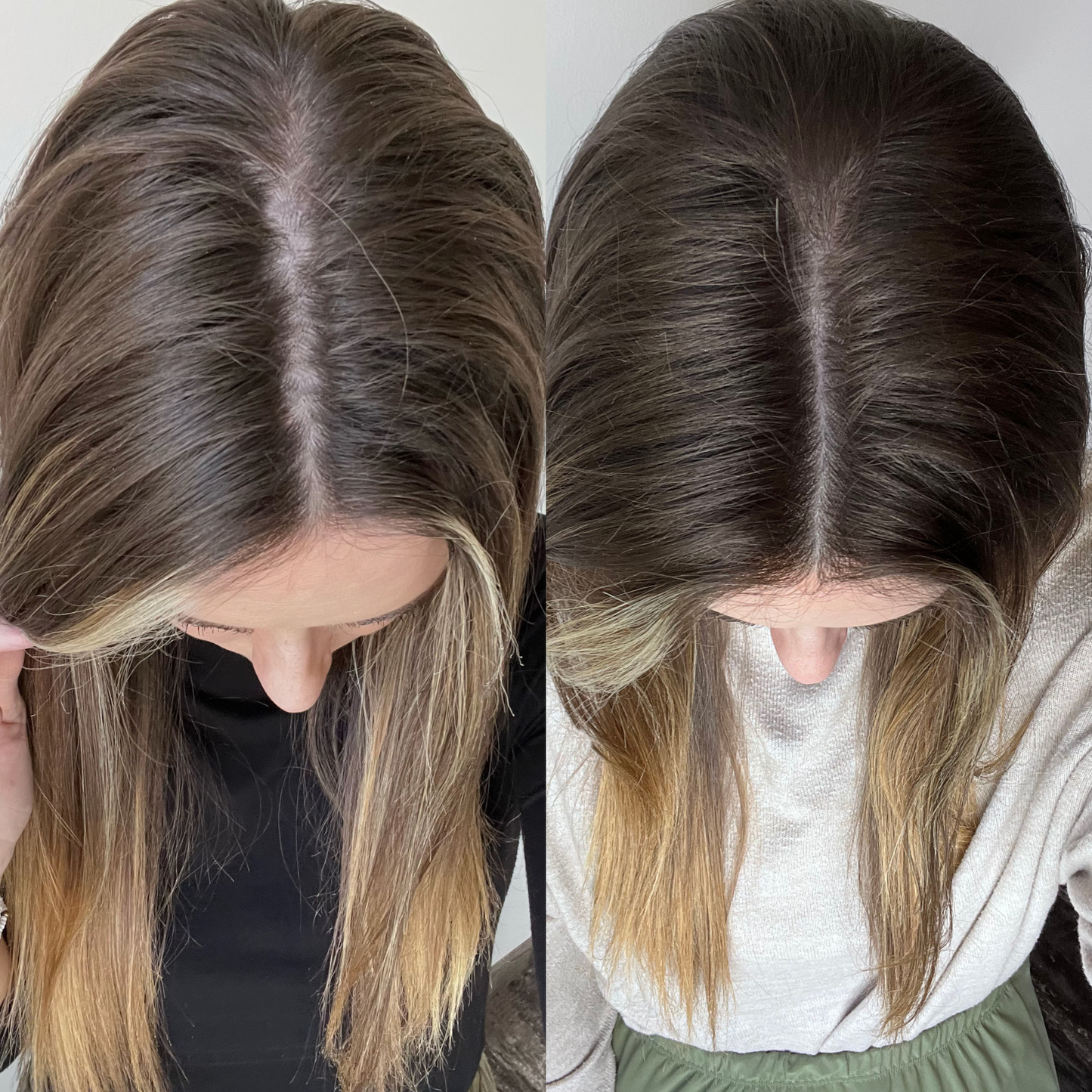
Zinc Deficiency and Hair Shedding: What You Need to Know


Zinc deficiency and hair shedding are more closely linked than most people realise — yet zinc remains one of the most overlooked minerals when women start investigating why their hair is falling out. If your hair has been shedding more than usual and you've already checked your iron and thyroid, zinc might be the missing piece of the puzzle.
In This Article
Why Zinc Matters for Hair Growth
Zinc is an essential trace mineral that the body cannot produce on its own — every milligram must come from food or supplementation. Its role in hair biology is significant and multifaceted. Zinc is required for the activity of more than 300 enzymes, many of which are directly involved in cell division and protein synthesis. Since hair follicles are among the most mitotically active structures in the human body, they are particularly sensitive to fluctuations in zinc availability.
At the follicle level, zinc helps regulate the anagen (growth) phase of the hair cycle. When zinc levels dip below optimal, follicles can prematurely enter the telogen (resting) phase, which eventually leads to increased shedding — a pattern often described as telogen effluvium. Zinc also plays a part in sebaceous gland function around the follicle and in the synthesis of keratin, the structural protein that forms each hair strand. A shortfall in either of these processes can manifest as thinner, more brittle hair with noticeable increased daily shedding.
Additionally, zinc exerts a mild inhibitory influence on the enzyme 5-alpha reductase, which converts testosterone into dihydrotestosterone (DHT). DHT is a key driver of hormonal hair miniaturisation, particularly in women with androgenetic tendencies. While zinc is not a primary treatment for pattern hair loss, maintaining adequate levels is considered a supportive measure for overall follicle environment health.
Signs That Zinc Deficiency May Be Causing Your Hair Loss
Hair shedding is rarely caused by a single factor in isolation, which is why identifying the role of zinc requires looking at the wider clinical picture. That said, certain patterns and accompanying symptoms make a zinc-related cause more plausible. The shedding associated with zinc deficiency typically presents as diffuse loss across the scalp rather than a defined receding hairline or single bald patch — this diffuse thinning is characteristic of a nutritional trigger rather than a genetic or autoimmune one.
Beyond the scalp, the body often gives additional signals when zinc is inadequate. Common co-occurring symptoms include:
- Slow wound healing or skin that feels persistently dry or rough
- White spots on the fingernails (though these can have multiple causes)
- Frequent colds or a general sense of reduced immune resilience
- Loss of taste or smell sensitivity
- Poor appetite or gastrointestinal discomfort
- Brittle nails alongside thinning hair
If several of the above sound familiar alongside increased hair shedding, it is worth discussing a serum zinc test with your GP. A standard blood panel does not always include zinc by default, so you may need to request it specifically. It is important to note that serum zinc is an imperfect marker — it can appear within range even when cellular zinc stores are suboptimal — but it remains the most accessible starting point.

Common Causes of Low Zinc in UK Women
Zinc deficiency in the UK is often described as a subclinical or marginal deficiency — meaning blood levels sit within a technically acceptable range but below the threshold needed for optimal biological function, including robust hair growth. Several lifestyle, dietary, and physiological factors make UK women particularly susceptible to this kind of low-grade shortfall.
Dietary patterns
Red meat and shellfish — particularly oysters — are by far the richest dietary sources of bioavailable zinc. Women who follow vegetarian or vegan diets, or who have simply reduced their red meat consumption for health or environmental reasons, can find it genuinely difficult to meet their daily zinc requirement through plant foods alone. This is compounded by the fact that plant-based zinc sources contain phytates, naturally occurring compounds that bind to zinc in the gut and reduce its absorption significantly.
Increased demand
Pregnancy and breastfeeding substantially increase zinc requirements. Hormonal contraceptives have also been associated in some nutritional literature with modest reductions in circulating zinc. Women who exercise intensively lose zinc through sweat, which adds an additional drain on stores. And because the body has no dedicated zinc storage system — unlike iron, which is stored in ferritin — even a few weeks of inadequate intake can start to affect rapidly dividing tissues such as hair follicles.
Gut health and absorption issues
Conditions that affect the gastrointestinal tract — including irritable bowel syndrome, Crohn's disease, and coeliac disease — can impair mineral absorption more broadly, including zinc. Heavy alcohol consumption and the long-term use of certain medications (including some diuretics and proton pump inhibitors) may also reduce zinc absorption or increase its excretion via the kidneys.
| Risk Factor | Why It Affects Zinc | Who It Affects Most |
|---|---|---|
| Vegetarian or vegan diet | Phytates in plant foods bind zinc and reduce absorption | Women avoiding meat and seafood |
| Pregnancy & breastfeeding | Increased zinc demand for foetal/infant development | Women of reproductive age |
| Intense exercise | Zinc is lost through sweat | Athletes and active women |
| GI conditions (IBD, coeliac) | Impaired absorption through gut lining | Women with diagnosed gut disorders |
| Heavy alcohol intake | Increases urinary zinc excretion | Varies by lifestyle |
| Calorie-restricted diets | Lower overall micronutrient intake | Women on weight-loss regimes |
Best Dietary Sources of Zinc
Before reaching for a supplement, it is always worth reviewing dietary intake first. For omnivores, increasing consumption of zinc-rich foods is a straightforward and sustainable strategy. For those with more restricted diets, targeted supplementation alongside food is often the more practical route.
The following foods contain the highest concentrations of bioavailable zinc and are reasonably accessible within the UK:
- Oysters: By far the most concentrated source — a small serving can provide several times the daily requirement
- Beef and lamb: Particularly lean cuts of red meat, which also supply haem iron
- Pumpkin seeds: One of the best plant-based sources, and rich in additional scalp-supportive fatty acids — our Pumpkin Seed Oil Softgels offer a convenient concentrated form
- Hemp seeds and sesame seeds: Useful additions for plant-based eaters
- Chickpeas and lentils: Moderate zinc content; soaking and cooking reduces phytate load
- Cashew nuts: Practical snack option with a reasonable zinc contribution
- Eggs and dairy: Lower zinc content than meat, but still contribute meaningfully to daily totals
- Fortified breakfast cereals: Can provide a useful top-up, though bioavailability varies
How to Supplement Zinc Sensibly
When dietary intake alone is insufficient — or when a deficiency has been confirmed or is strongly suspected — supplementation is a sensible next step. The UK recommended daily intake for zinc sits at around 7–9.5 mg per day for adult women, depending on life stage. Most standard hair supplements provide zinc in the range of 5–15 mg per dose, which is designed to complement dietary intake rather than replace it entirely.
It matters which form of zinc you choose. Zinc in highly bioavailable forms — such as zinc gluconate, zinc citrate, or zinc bisglycinate — is generally better absorbed than zinc oxide, which is commonly used in cheaper formulations. If you are investing in a supplement specifically to support hair health, the form of each ingredient is as important as the dose.
Zinc in combination with other hair nutrients
Zinc rarely works in isolation where hair health is concerned. It functions synergistically with several other micronutrients, particularly biotin, selenium, iron, and vitamins A and C. A comprehensive hair supplement that includes zinc alongside these co-factors is often more effective than taking single-mineral supplements in sequence. Our Hair, Skin & Nails formula combines zinc with a broader micronutrient profile specifically designed to support follicle health, skin integrity, and nail strength — making it a practical all-in-one option for women managing multiple nutritional gaps. You can also explore our Hair Skin Nails Gummies if you prefer a chewable daily format.
For a deeper look at how vitamins and minerals interact in the context of female hair loss, our article on female hair loss: causes, treatments and what actually works covers the full nutritional picture alongside other key contributing factors.

How long before you see results?
Patience is essential when addressing nutritional deficiencies in the context of hair health. The hair growth cycle means that even after zinc levels are restored, it typically takes three to six months before a meaningful reduction in shedding becomes apparent, and longer still before new growth visibly increases density. Tracking shedding counts in the shower or on a brush over time is a more reliable measure of progress than looking in the mirror week to week.
If you are also concerned about hormonal influences on your hair alongside nutritional factors, our guide to female pattern hair loss treatment options outlines the full range of approaches worth considering in parallel.
Support Your Hair From Within
Lumeyr's Hair, Skin & Nails formula includes zinc in a highly bioavailable form alongside biotin, selenium, and a full micronutrient complex — everything your follicles need in one daily supplement.
Shop Hair, Skin & Nails →Conclusion
Zinc deficiency is a genuinely underdiagnosed contributor to hair shedding, particularly in UK women following plant-forward diets, those who have recently been pregnant, or anyone dealing with chronic digestive issues that impair nutrient absorption. The good news is that it is also one of the more straightforward nutritional gaps to address — through targeted dietary changes, a well-formulated supplement, or most effectively, a combination of both.
The key is to approach supplementation intelligently: choose bioavailable zinc forms, stay within safe dose ranges, and use zinc as part of a broader nutritional strategy rather than a standalone fix. If your hair shedding is significant or has been persistent for more than three months, always seek a GP evaluation to rule out underlying medical causes before committing to any supplement regime.

Frequently Asked Questions
Can zinc deficiency really cause hair loss?
Yes. Zinc is essential for cell division in hair follicles and for the synthesis of keratin. When zinc levels fall below optimal, follicles can prematurely enter the telogen (resting and shedding) phase of the hair cycle, leading to increased diffuse hair loss across the scalp. Restoring adequate zinc levels typically reduces this shedding over a period of several months.
How do I know if my hair loss is caused by zinc deficiency?
Zinc-related hair loss usually presents as diffuse thinning rather than patterned loss. It is often accompanied by other signs of deficiency such as slow wound healing, frequent infections, brittle nails, and reduced taste sensitivity. A serum zinc blood test, available via your GP, is the most accessible way to check your levels, though it is not a perfect marker of cellular zinc status.
How much zinc should I take for hair growth?
The UK recommended daily intake for zinc is around 7–9.5 mg per day for adult women. Most hair supplements provide 5–15 mg per dose to complement dietary intake. It is important not to exceed recommended doses — chronic intake above approximately 40 mg per day can cause copper deficiency, which itself triggers hair loss. Always check the combined total if using multiple supplements.
Which form of zinc is best absorbed for hair health?
Zinc bisglycinate, zinc citrate, and zinc gluconate are generally considered more bioavailable than zinc oxide, which is commonly used in lower-cost formulations. If you are specifically targeting hair health, it is worth checking the ingredient form on any supplement label rather than comparing doses alone.
How long does it take to see improvement after correcting zinc deficiency?
Because hair grows approximately 1–1.5 cm per month and the full hair cycle spans several months, most people need to supplement consistently for at least three to six months before noticing a meaningful reduction in shedding or visible improvement in density. Tracking daily shed counts rather than visual assessment is a more reliable way to monitor early progress.
Are vegetarian and vegan women more at risk of zinc deficiency hair loss?
Yes, generally speaking. The richest dietary sources of bioavailable zinc are shellfish and red meat. Plant-based zinc sources such as legumes, seeds, and wholegrains also contain phytates, which bind zinc in the gut and reduce absorption. Women following vegetarian or vegan diets typically need to pay closer attention to their zinc intake and may benefit more readily from supplementation to meet their daily requirements.
This article follows our editorial & research standards. It is informational content, not medical advice.